Meet Jessica Traylor | Author & Educator
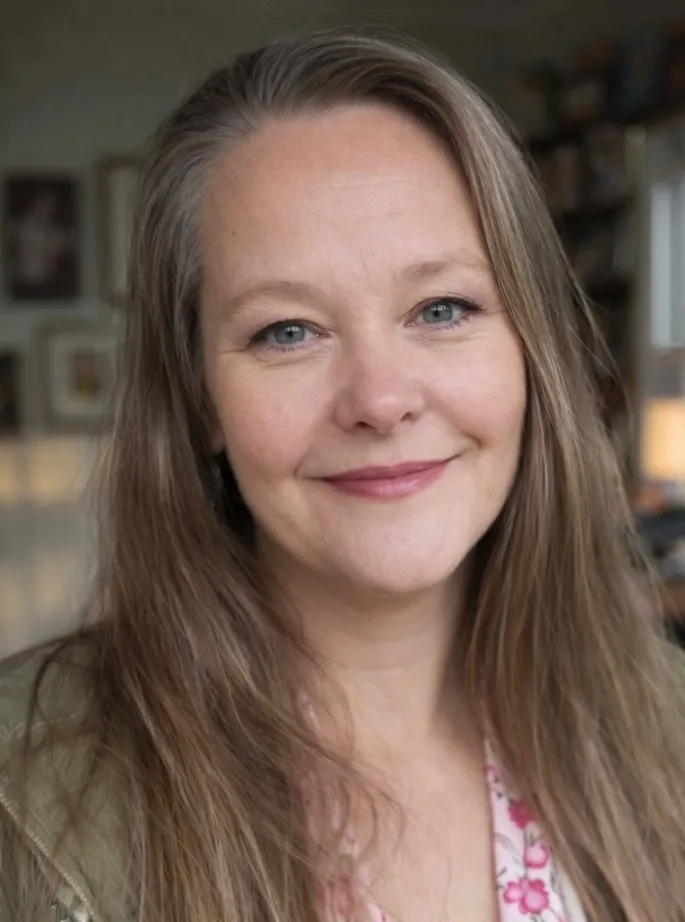


We had the good fortune of connecting with Jessica Traylor and we’ve shared our conversation below.
Hi Jessica, as a parent, what do you feel is the most meaningful thing you’ve done for them?
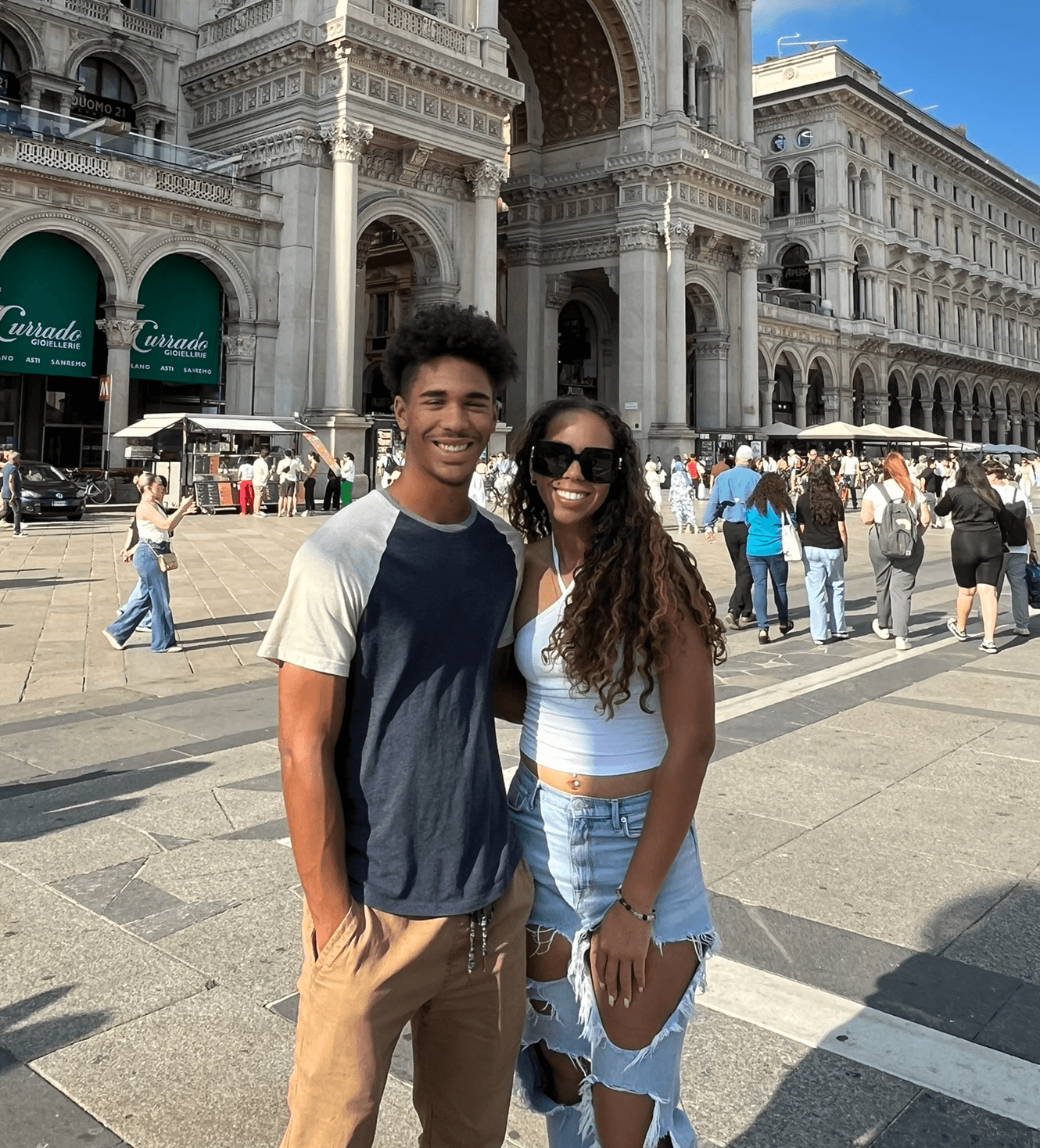
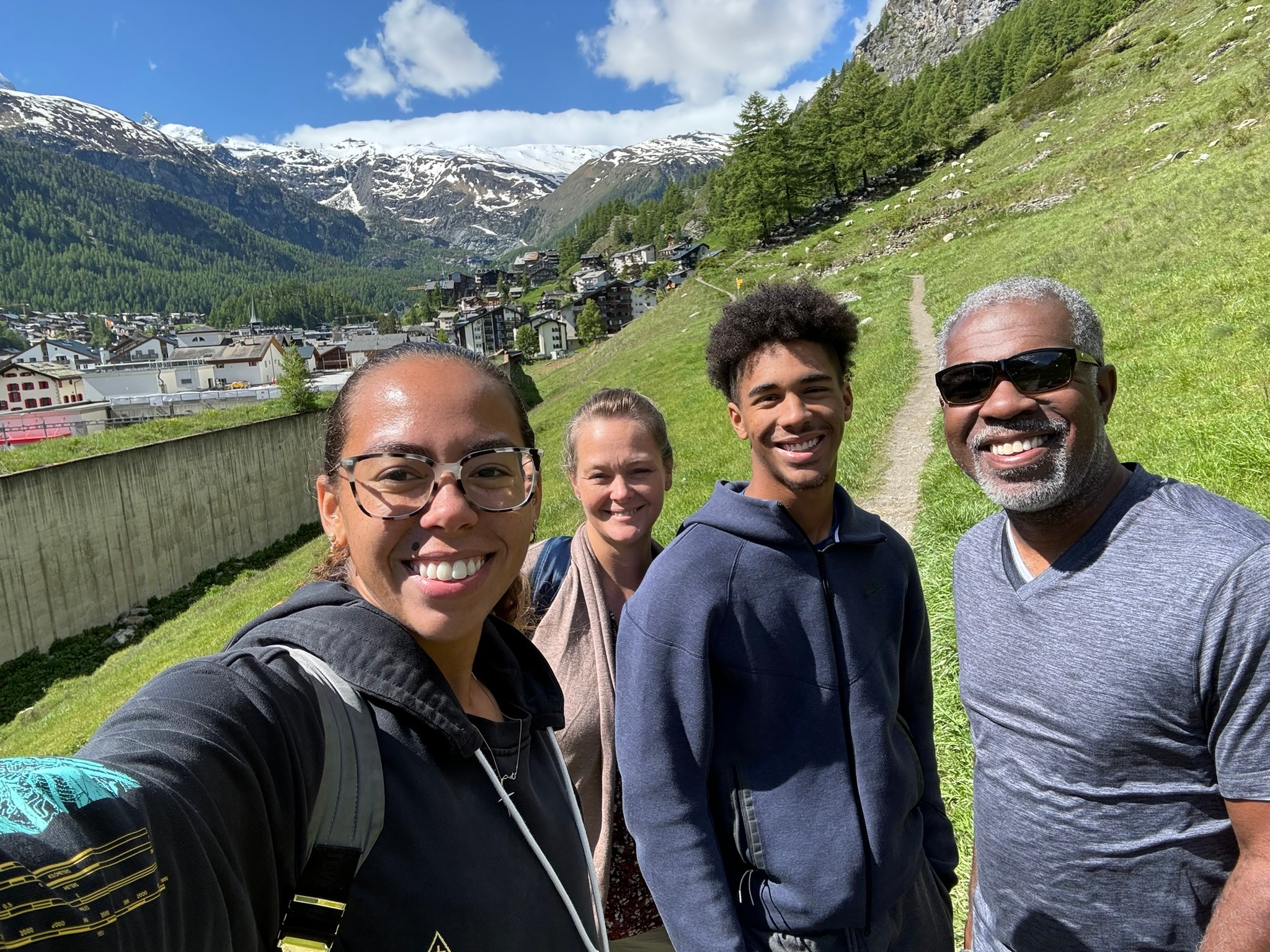
The most important thing I’ve done as a parent is model that learning never stops, that curiosity, growth, and even struggle are lifelong practices, not phases you outgrow. My children have watched me pursue doctoral work, build community projects, start a farm, write a book, and sit with hard questions about identity and belonging. They’ve seen me fail at things and try again. I’ve tried to be transparent about that process, not to perform resilience for them, but because I genuinely believe children learn how to be in the world by watching the adults closest to them navigate it. What I hope that’s given them is permission to be works in progress, to take their own questions seriously, and to understand that a meaningful life is built, not arrived at.
Alright, so let’s move onto what keeps you busy professionally?
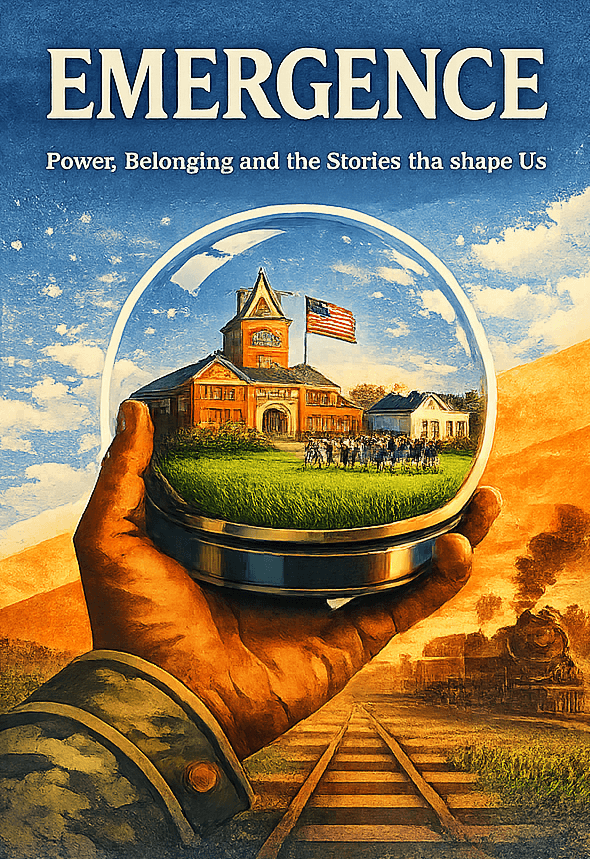
I’m not sure I would have called myself an artist even five years ago. I would have said I was a psychologist, a researcher, a community builder. But somewhere in the process of writing Emergence, of sitting with oral history transcripts, listening to the ways people remembered pain and transformation and belonging, I realized that what I was doing was art. It was just art that wore academic clothing.
What sets my work apart, I think, is that it lives at the intersection of story and structure. I’m trained as a school psychologist and an educator, so I can’t help but look for the pattern underneath the narrative. But I’m also a storyteller at heart, and I know that data without story doesn’t move people. What I try to do, in the book, in the community work, in the classroom, is hold both of those things at once.
Emergence is the project I’m most proud of. It took years. It required me to earn the trust of people who had every reason to guard their memories carefully. It asked me to be honest about my own community, the complicated, beautiful, unresolved history of a small Georgia town, without flattening it into a lesson. That was hard. I’m proud that I didn’t take the easy way.
The path here was not straight. I built this alongside a full professional life. school psychology work, teaching, board service, raising a family, running a farm. There were seasons where the book lived in a drawer for months because life needed my full attention. I had to make peace with a non-linear timeline, and honestly, that was its own education.
The lesson I keep coming back to is this: the work that matters most usually can’t be rushed, and it usually can’t be done alone. Community isn’t just the subject of my work, it’s the method.
What I want people to know about my story is simple: I believe that the stories we tell about where we come from shape what we think is possible. My work is about expanding that, for individuals, for communities, for institutions. If Emergence does what I hope it does, readers will finish it thinking differently about whose stories get preserved, and what gets lost when we don’t ask.
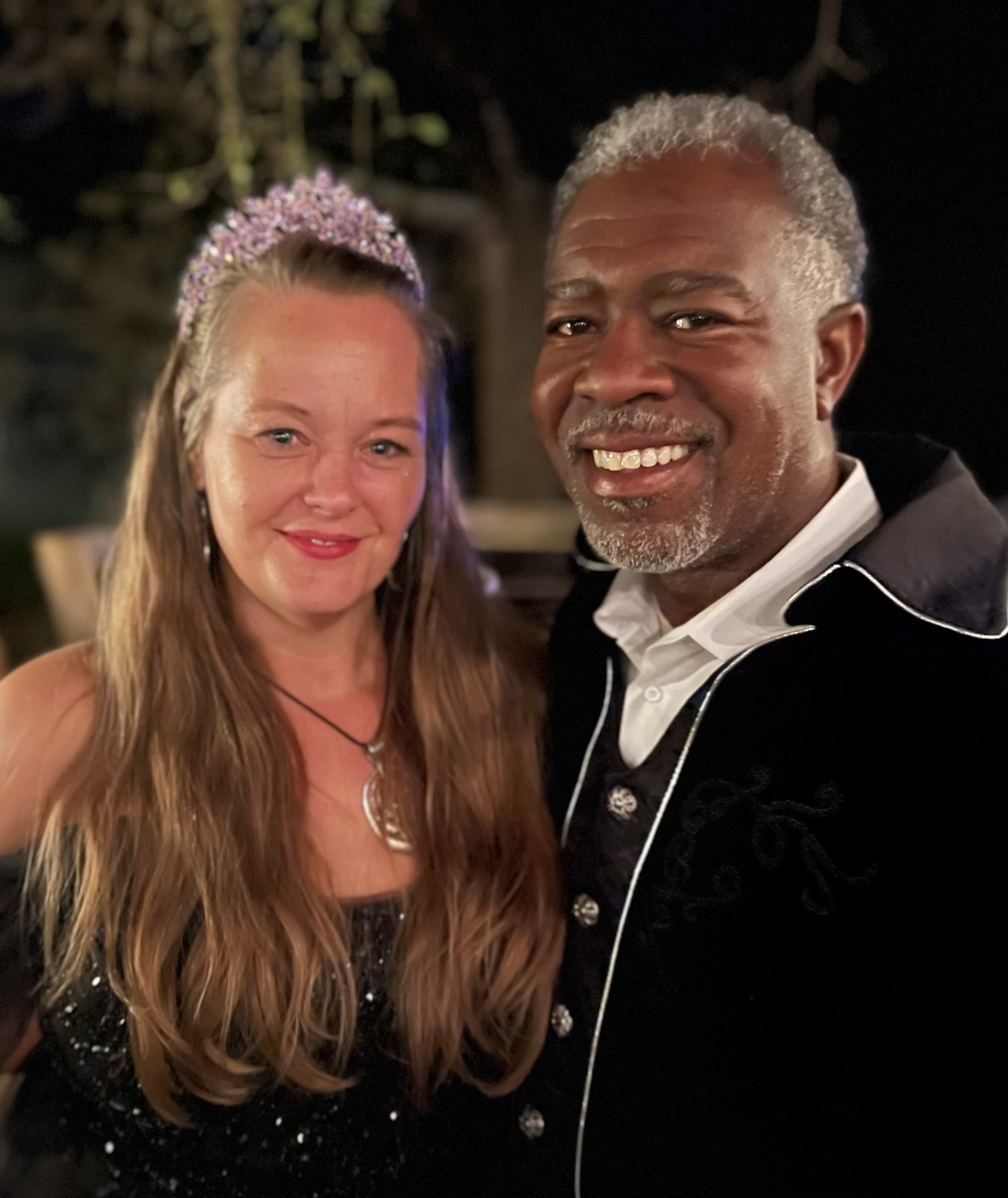
Let’s say your best friend was visiting the area and you wanted to show them the best time ever. Where would you take them? Give us a little itinerary – say it was a week long trip, where would you eat, drink, visit, hang out, etc.
First, understand that Barnesville is a small town, and that’s the whole point. The magic here isn’t in a packed schedule, it’s in slowing down enough to actually see it.
We’d start at Two Moos for coffee. It’s the kind of place that feels like the town’s living room. Then I’d walk them around downtown, which is genuinely beautiful with its historic architecture, the kind of main street that doesn’t feel performed. We’d stop into Lamar Arts, because there’s almost always something worth seeing, and I’d introduce them to whoever happened to be there.
The Old Jail Museum is a must. It’s one of those places that stops you in your tracks if you’re paying attention. Then we’d walk the Gordon campus, and I’d tell them the story behind Emergence in real time, standing in the places where it happened. This is the Barnesville I write about. I want people to feel the layered history of a place like this, not just the pretty surface.
High Falls State Park is close and stunning. We’d pack food from home, probably something from the garden, and spend most of the day outside.
Griffin and Forsyth are close, and both have a growing energy worth seeing. A short drive with a lot of charm. We’d wander, find whatever’s local and interesting, and take the long way back, which is its own kind of beautiful. We’d eat at D’s Burritos, which is the kind of place you’d drive for on its own. Good food, good vibes, and it always feels like a little discovery for people who don’t know it yet.
I’d bring them home. We’d walk the property, check on the bees, harvest something, make a meal together with whatever’s in season. This is honestly the day most visitors say they needed without knowing they needed it.
The best part of the week would be the board meetings and community gatherings they’d tag along to. The Boys & Girls Club, Lamar Arts, the Chamber Foundation. This is where the most interesting people in town show up. I’d want my friend to leave knowing not just the place but the people who are actively building its future. That’s what makes Barnesville worth coming back to.
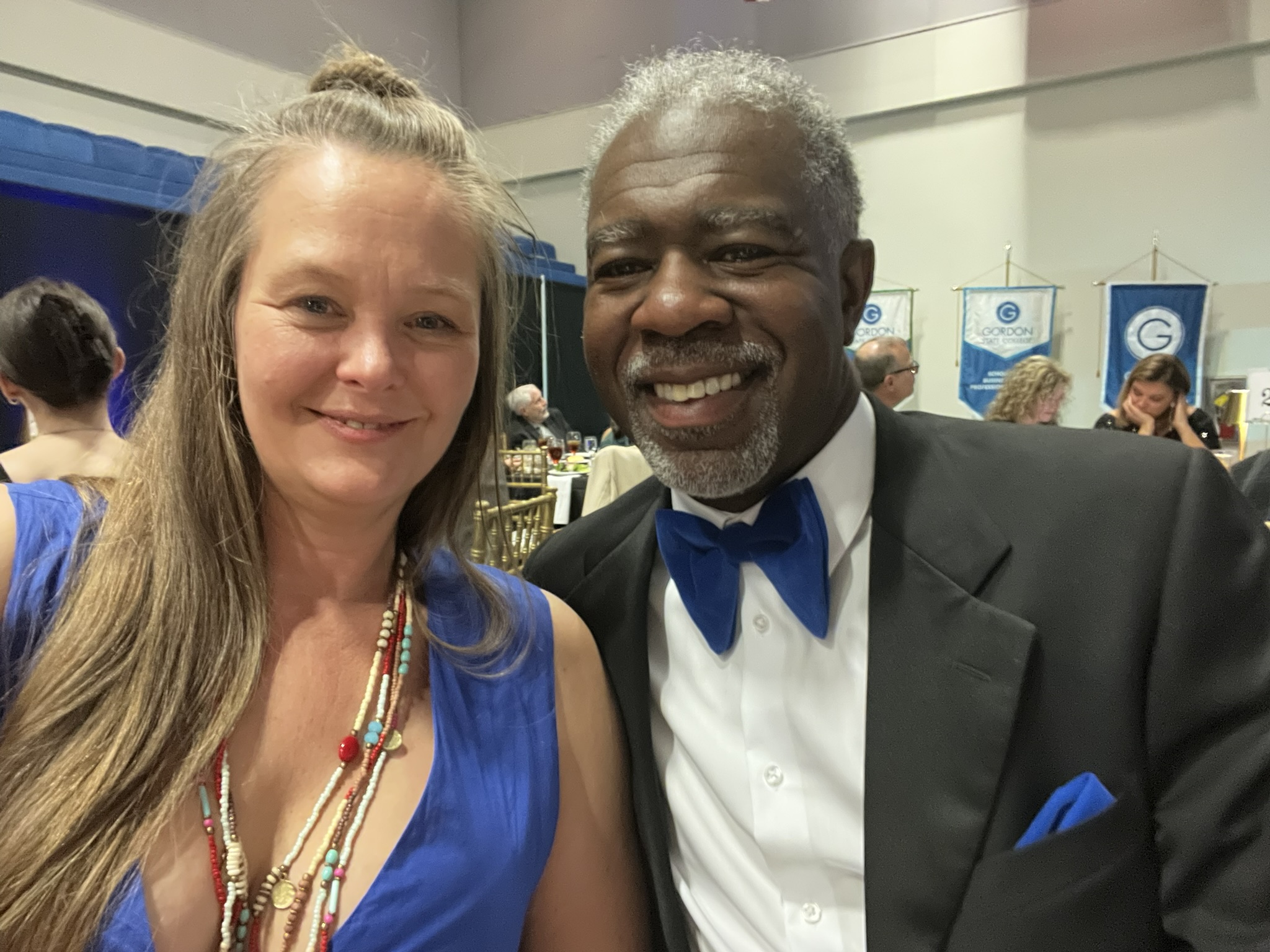
Who else deserves some credit and recognition?
There are so many people woven into this story, but if I had to start somewhere, I’d start with Barnesville itself. I grew up here, left for a while, and came back. The community received me in a way that shaped everything I’ve built since. The people who said yes when I had half-formed ideas, who showed up to things before there was a reason to believe in them, who trusted me with their stories. More specifically, I have to name the elders and storytellers in Lamar County who let me sit with them and ask hard questions about memory, race, and history. The oral history work I do, and the book that grew out of it, would simply not exist without their willingness to be honest and generous with me.
My friends deserve real credit too. The ones who have talked me through hard seasons, celebrated the small wins, and never let me take myself too seriously. Good friendship is its own kind of infrastructure.
And my children, who have taught me more about presence, patience, and what actually matters than any book or training ever could. They are, honestly, my best teachers.
And my husband Ryran, who just completed his own doctoral work while I was finishing my book, has been a genuine thought partner, not just a supporter. We push each other. That kind of intellectual companionship is rare, and I don’t take it for granted.
Website: https://www.thedynamicbalance.com