Meet PJ (Junjie) Pan | Motion Designer
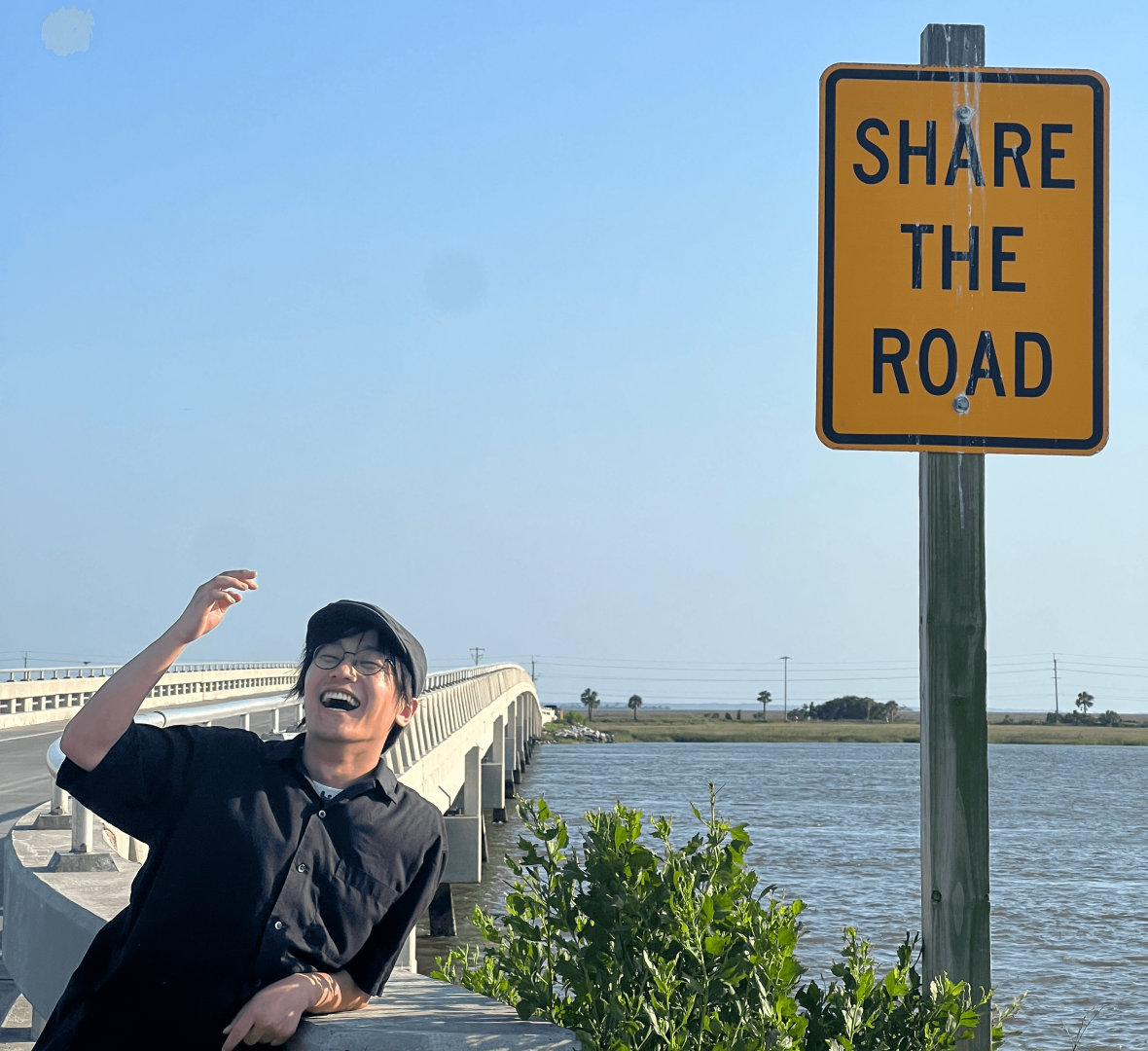


We had the good fortune of connecting with PJ (Junjie) Pan and we’ve shared our conversation below.
Hi PJ (Junjie), we’d love to hear about how you approach risk and risk-taking.
For me, taking risks is not always, but often, the safest option. It may sound counterintuitive, but staying in a “safe” zone often means getting stuck in outdated assumptions, slow decay, or creative stagnation. In contrast, risk creates space for movement, growth, and redefinition.
Every major decision in my career so far—whether shifting from fine art to motion design, studying abroad, or taking on conceptually challenging projects—has involved uncertainty. But in each case, choosing the less certain path helped me avoid a deeper long-term risk: losing connection with my own instincts.
I’ve learned that the most dangerous thing isn’t failure. It’s losing the ability to respond honestly to change. For creatives especially, standing still can be the greatest risk of all.
Can you open up a bit about your work and career? We’re big fans and we’d love for our community to learn more about your work.
A lot of my work begins not only from aesthetics, but from friction—between order and collapse, clarity and ambiguity. I’m trained as a motion designer, but I approach every project, whether personal or client-based, with the mindset of building a system that delivers an experience. I’m not just designing visuals; I’m designing how time, rhythm, typography, sound, and spatial logic combine to move people.
What sets my practice apart is how I treat uncertainty. Whether the brief is open-ended or tightly constrained, I try to enter the ambiguity instead of avoiding it. For me, the core of the creative process is about identifying the real underlying problem, not just the surface ask, and responding with a structure that transforms confusion into clarity or tension into resonance. This applies equally to self-initiated experiments and commercial projects.
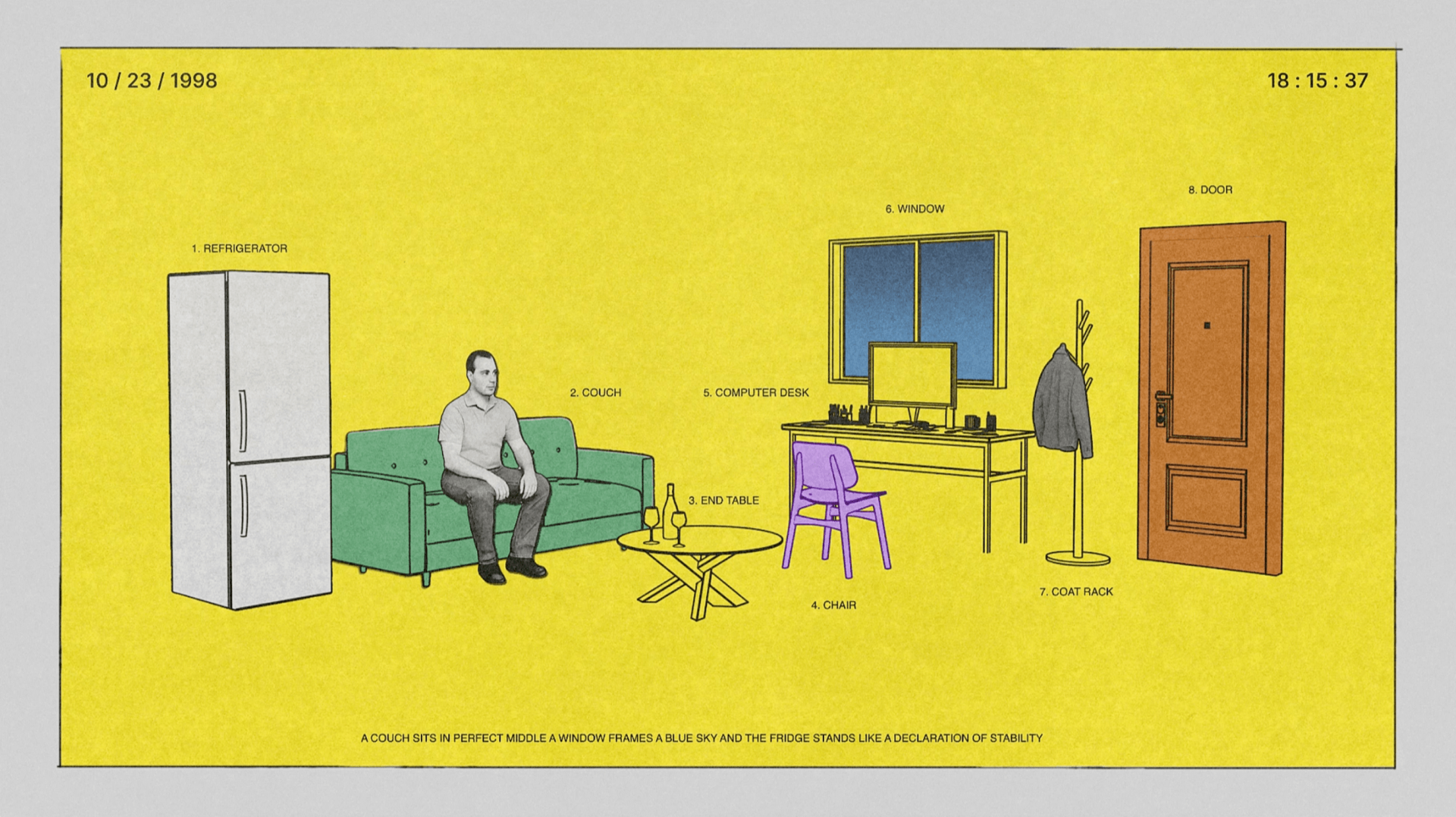
In my thesis project In My Daily Life, I explored perceptual breakdown through glitch, repetition, and compositional distortion. In client work, I apply similar principles—adapted to different constraints—by building modular systems, translating abstract brand values into visual logic, and crafting experiences that feel both precise and alive.
It hasn’t been easy. I’ve had to learn how to design without rushing to solutions. I’ve had to stay in the question longer, resisting the urge for immediate coherence. But over time, I’ve come to trust that creative clarity comes from entering the unknown, not avoiding it.
At the core of my work, whether personal or professional, is a commitment to making motion that feels designed—not just decorated. I’m not here to follow style. I’m here to construct meaning.
Any places to eat or things to do that you can share with our readers? If they have a friend visiting town, what are some spots they could take them to?
I’m a newcomer to New York City, and honestly, it’s a wild, fabulous place. There’s so much going on all the time. It’s chaotic, fast, loud, dirty, electric—and somehow, all of that makes it feel intensely alive.
Right now, one of my favorite areas is the East Village. It’s full of visual noise in the best way possible: layers of torn posters, handwritten signs, food stalls, garbage bags on the curb. Your eyes don’t get to rest, and that’s kind of the point. As a visual person, I find it incredibly stimulating.
There’s also really great food in the area—a mix of cultures, no-frills spots with bold flavors. If I had to take a friend somewhere to feel the pulse of the city, I’d start there.

The Shoutout series is all about recognizing that our success and where we are in life is at least somewhat thanks to the efforts, support, mentorship, love and encouragement of others. So is there someone that you want to dedicate your shoutout to?
I’d like to give a heartfelt shoutout to SCAD (Savannah College of Art and Design). Going to SCAD wasn’t part of a long-term plan, but it turned out to be one of the most meaningful and defining decisions I’ve ever made. The Motion Media Design program—uniquely referred to as “MOME” at SCAD—played a pivotal role in shaping my creative journey. As far as I know, SCAD is the only institution that officially names this discipline “Motion Media Design” instead of the more common “Motion Design” or “Motion Graphics.” That distinction reflects a broader and more integrated perspective. SCAD has built a truly interdisciplinary and forward-thinking ecosystem around this field.
I especially want to recognize a few professors who had a lasting impact on me.
Michael Betancourt offered some of the most thought-provoking classes I’ve ever taken. His emphasis on media theory and critical thinking was unlike anything I’d encountered elsewhere. These weren’t classes about tools or trends—they focused on understanding and questioning the systems we operate within. That intellectual grounding has deeply influenced how I approach creative work today.
Brandon Sugiyama brought the industry into the classroom in a grounded, honest way. His feedback always came from real-world experience, not abstract theory. He showed us what it’s actually like to work under pressure, with real clients, briefs, and expectations. What stood out most was how much he cared about student success—not just progress. He consistently made time for us, encouraged us, and pushed us to connect our work with the world beyond school.
And Minho Shin, my very first professor at SCAD, gave me my foundation in After Effects. I still remember how energized I felt in his class. He has an encyclopedic knowledge of motion references—seriously, he can recall almost any piece and find it within seconds. But more importantly, he truly sees his students. He offered guidance, support, and encouragement when I needed it most. His quiet dedication to both teaching and the MOME program left a lasting impression on me. I truly wouldn’t be where I am without that early foundation.
Website: http://junjiepan.com
Instagram: https://www.instagram.com
Linkedin: http://www.linkedin.com/in/junjiepan
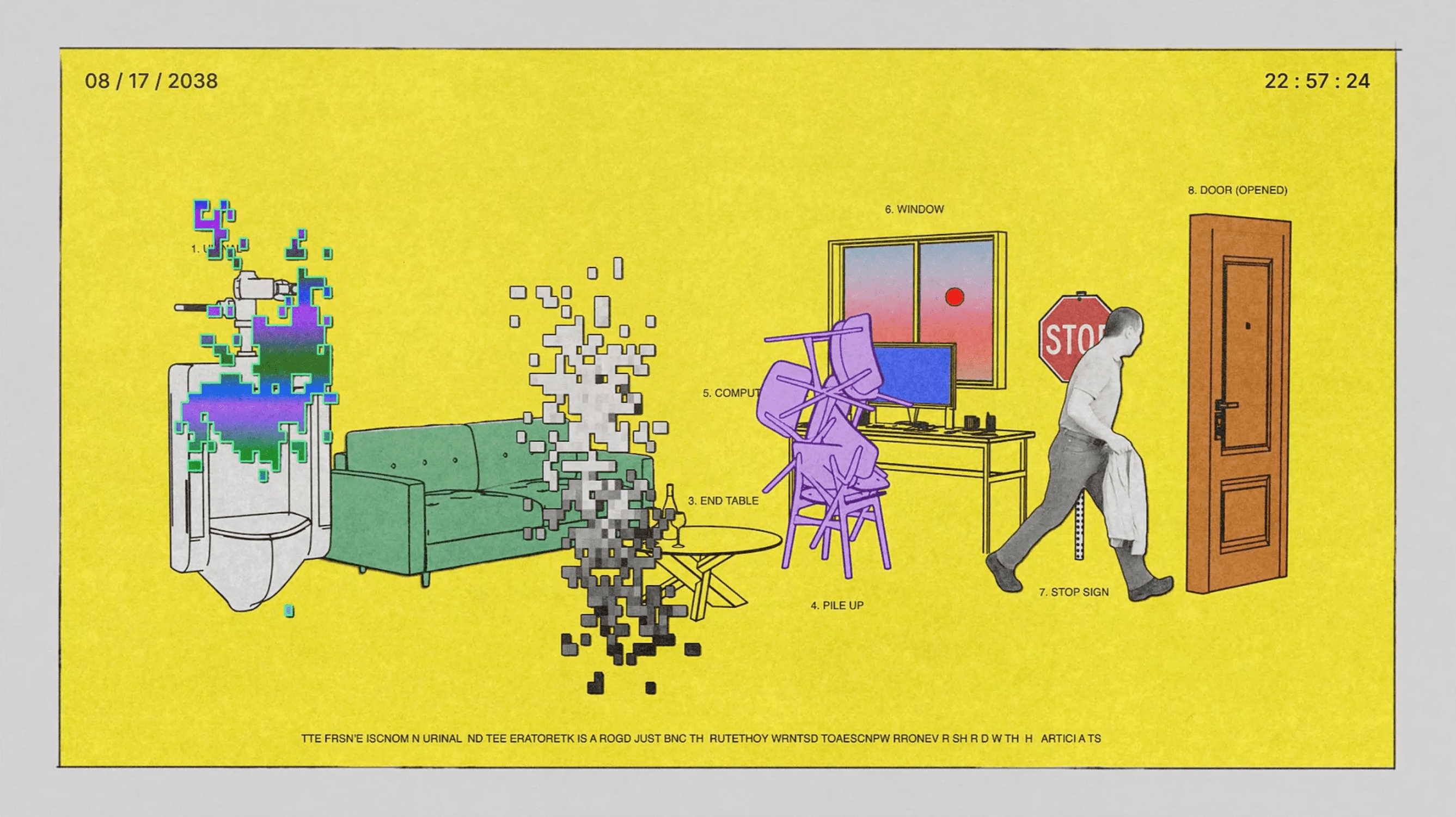
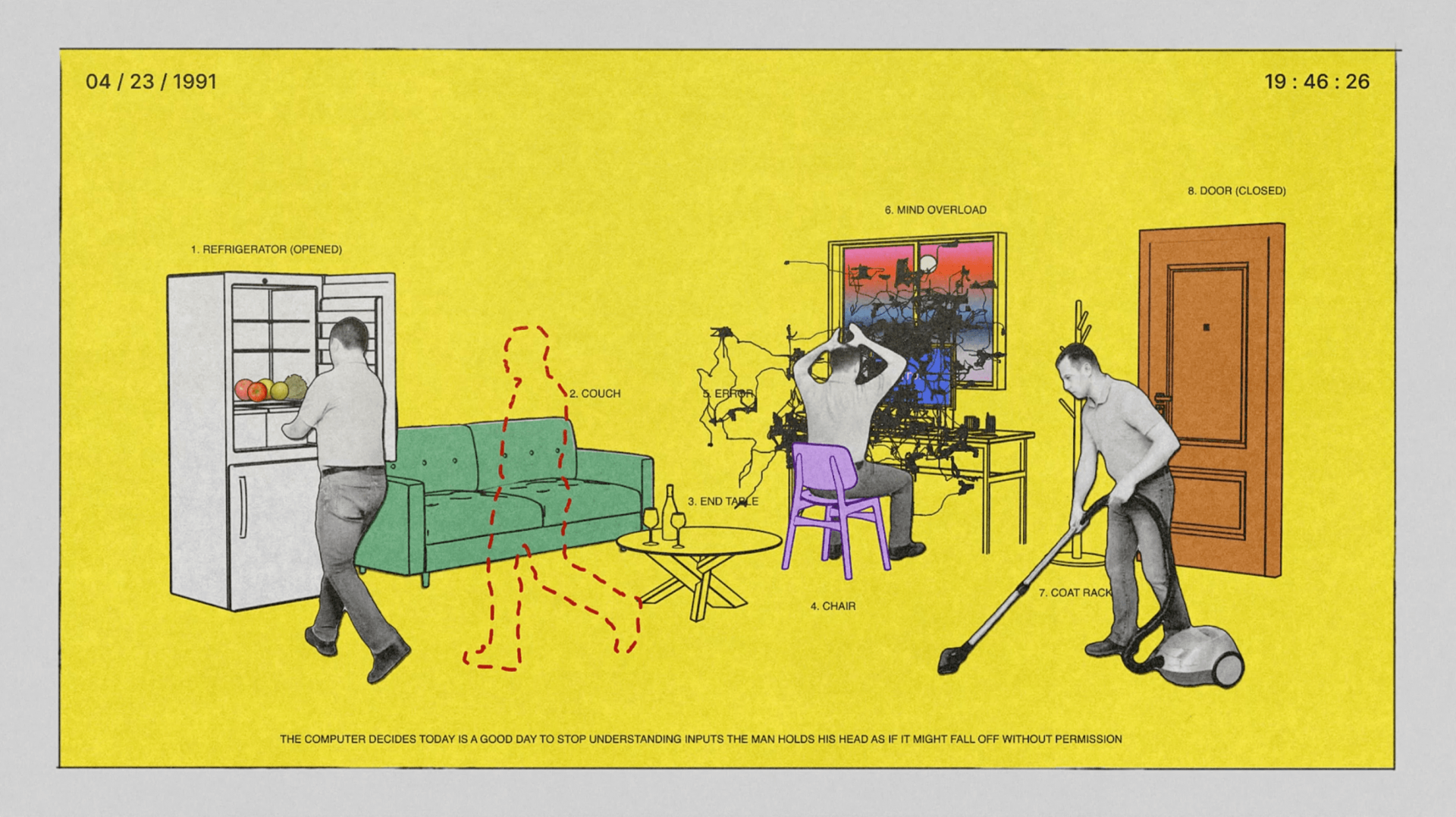
Image Credits
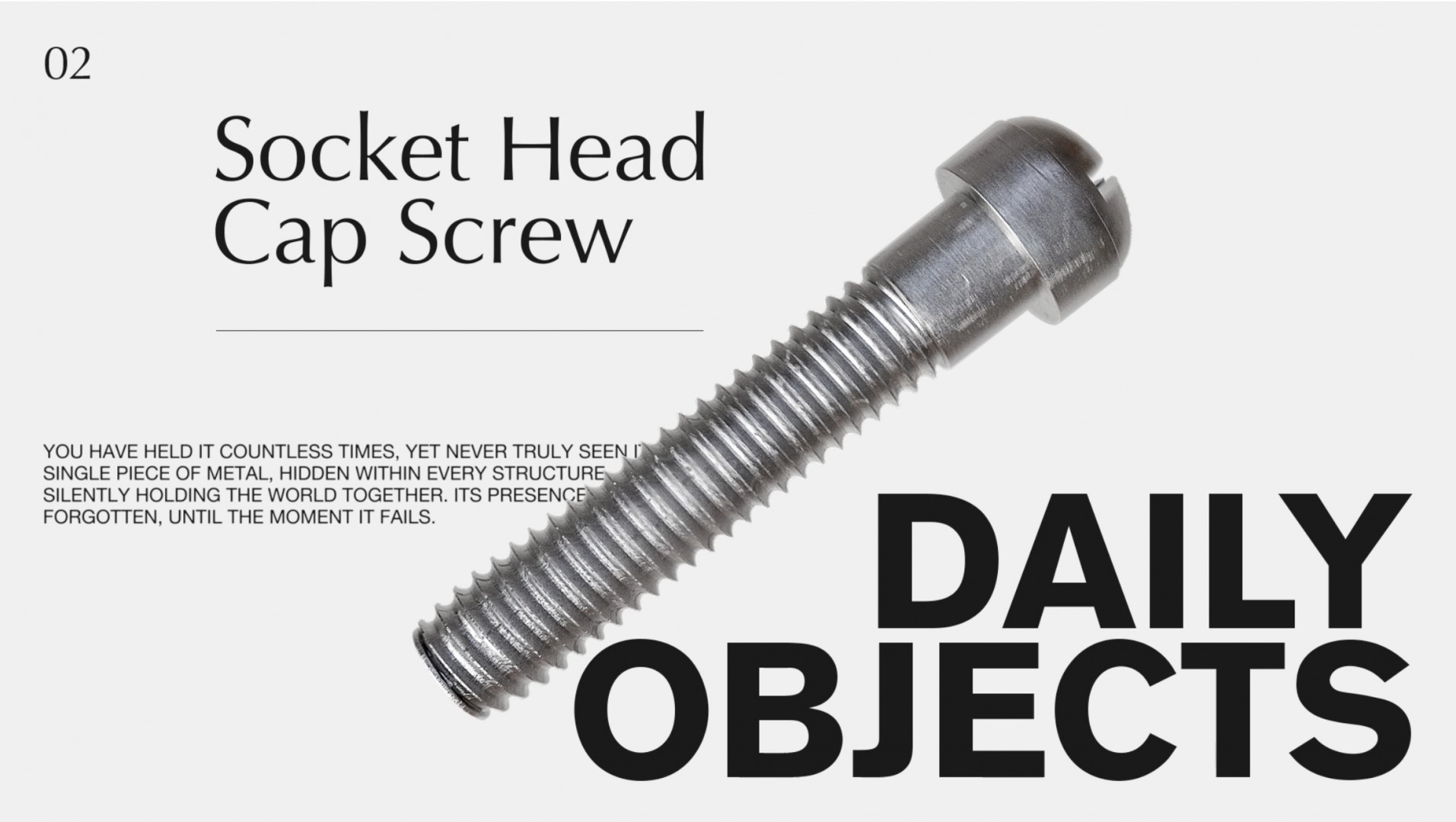
In My Daily Life / The Disintegration of Time / Daily Objects / Rhythm