Meet Niranjana K Arunkumar
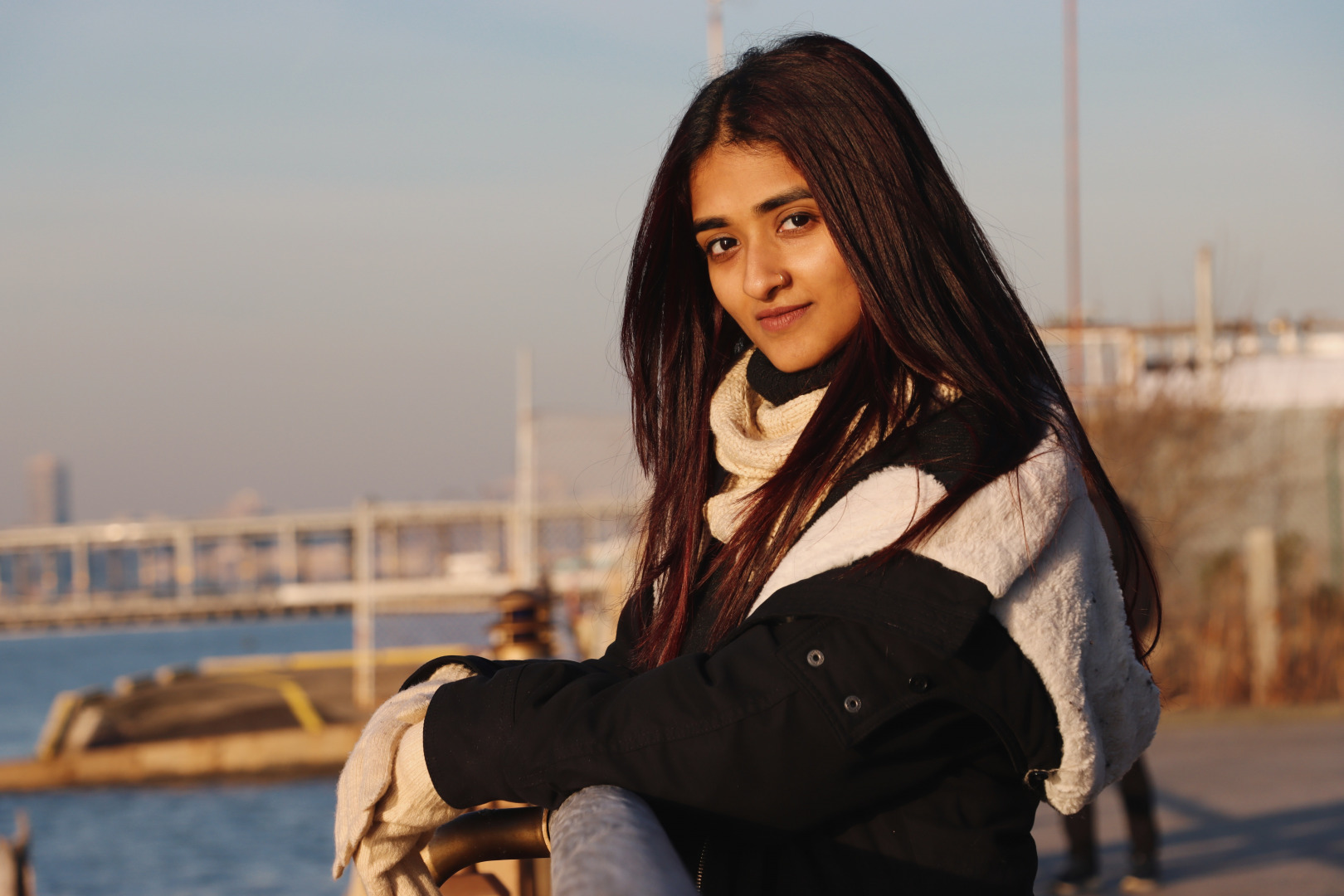


We had the good fortune of connecting with Niranjana K Arunkumar and we’ve shared our conversation below.
Hi Niranjana, what led you to pursuing a creative path professionally?
I think a lot about core memories — the ones that shape us quietly before we even understand they matter. For me, it started with a closet at home filled with DVDs and cassettes. I was the self-appointed movie picker for my family. At the time, I didn’t know that those stories — some dramatic, some joyful, some simply strange — were quietly planting the seeds of the creative storyteller I would become. I come from a South Asian family that has seen its share of struggle. When my father went through a period where he couldn’t speak due to illness, everything felt uncertain — until one day, he began mumbling the lyrics to a song from one of his favorite films. It was the first time in weeks we saw a flicker of light return to him. That moment stuck with me. If film could do that — cut through silence, pain, and fear — then I knew it wasn’t just entertainment. It was power. It was healing. That’s when I knew I had to pursue something creative — not just because I wanted to tell stories, but because stories had once spoken for me when I couldn’t.
As someone who’s never felt entirely tied to one place — born in Kerala, India, raised partly in the Netherlands, and shaped by many in-betweens — I’m drawn to narratives that live in that same gray space: people caught between cultures, between generations, between who they are and who the world expects them to be. Whether it’s through emotional realism or quiet satire, my goal is to reflect truths that feel both deeply personal and unexpectedly universal.
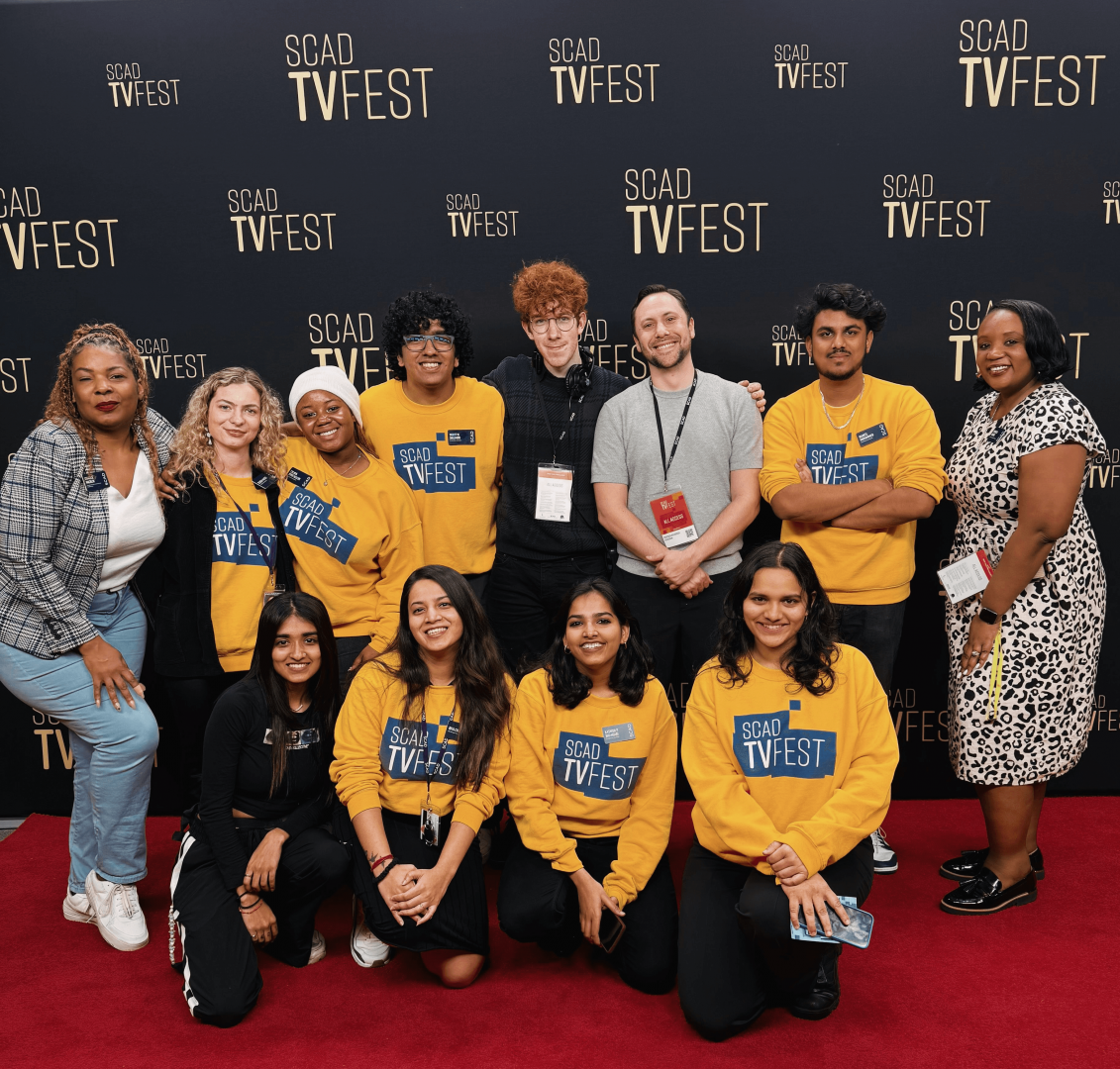
More recently, I’ve found myself drawn to the world of live production and theatre — thanks to my experience working at SCADshow. Growing up, I was a performer, used to being in front of the spotlight. But being behind the scenes — working with lighting cues, technical timing, and the choreography of real-time performance — has unlocked a new creative rush. It’s the same adrenaline I once felt on stage, but now I get to help build the magic from the wings. There’s something incredibly satisfying about that blend of precision and chaos, art and tech, timing and emotion — and it’s expanded my understanding of what storytelling can look like.
At the heart of it, I’m just someone who believes stories can be the glue between generations, cultures, and fractured parts of ourselves. I want to keep creating work that feels honest, layered, and sometimes uncomfortable — because that’s where growth happens. Whether it’s a scripted film or a live show, I want to be part of the spaces where stories unfold in real time — and where, even if just for a moment, someone feels seen.
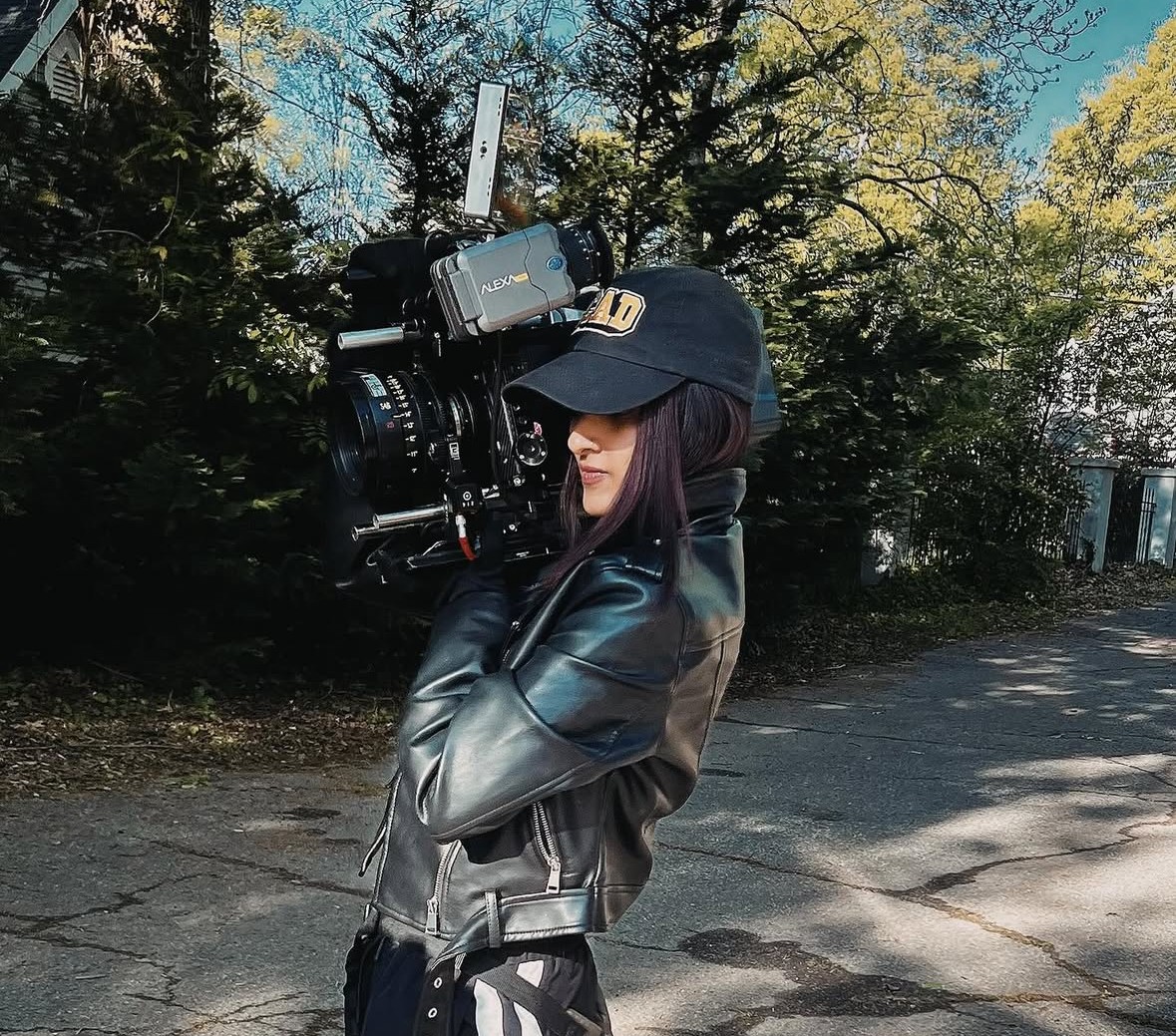
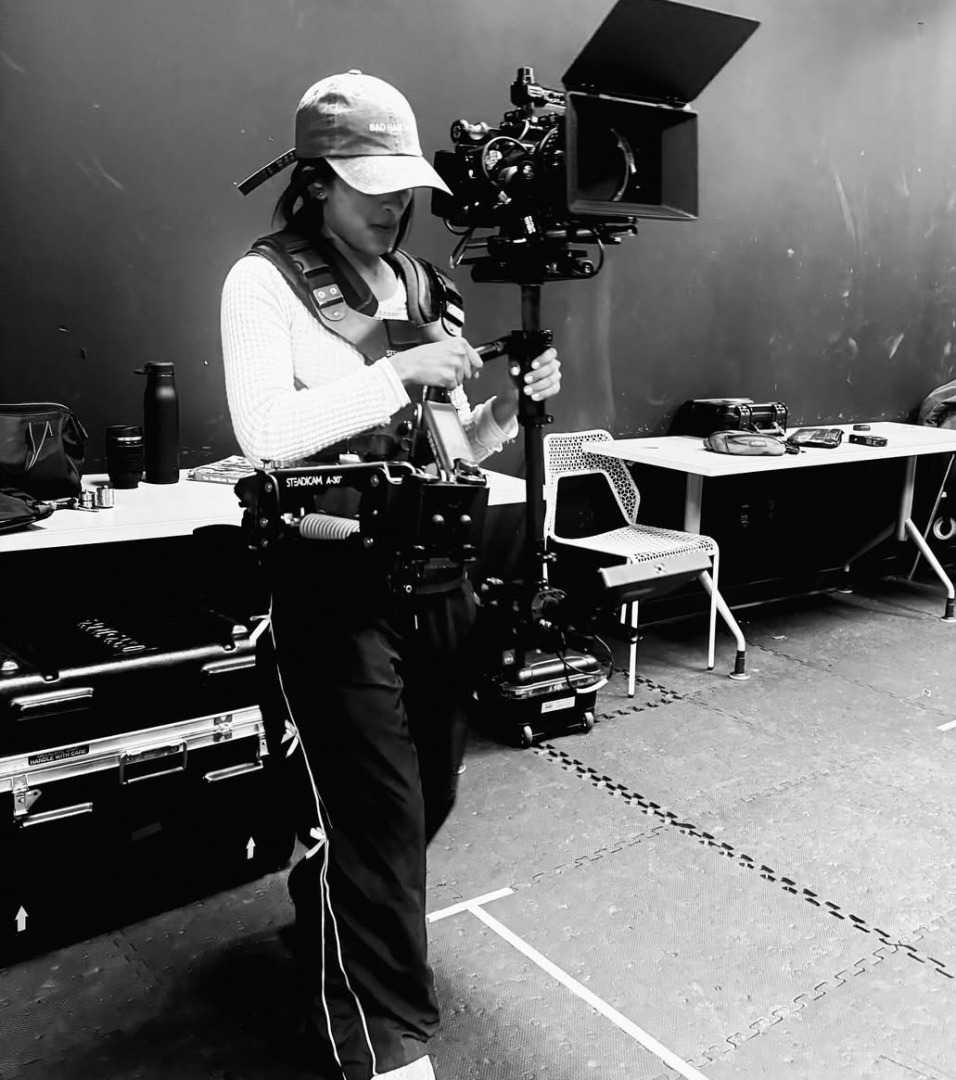
Let’s talk shop? Tell us more about your career, what can you share with our community?
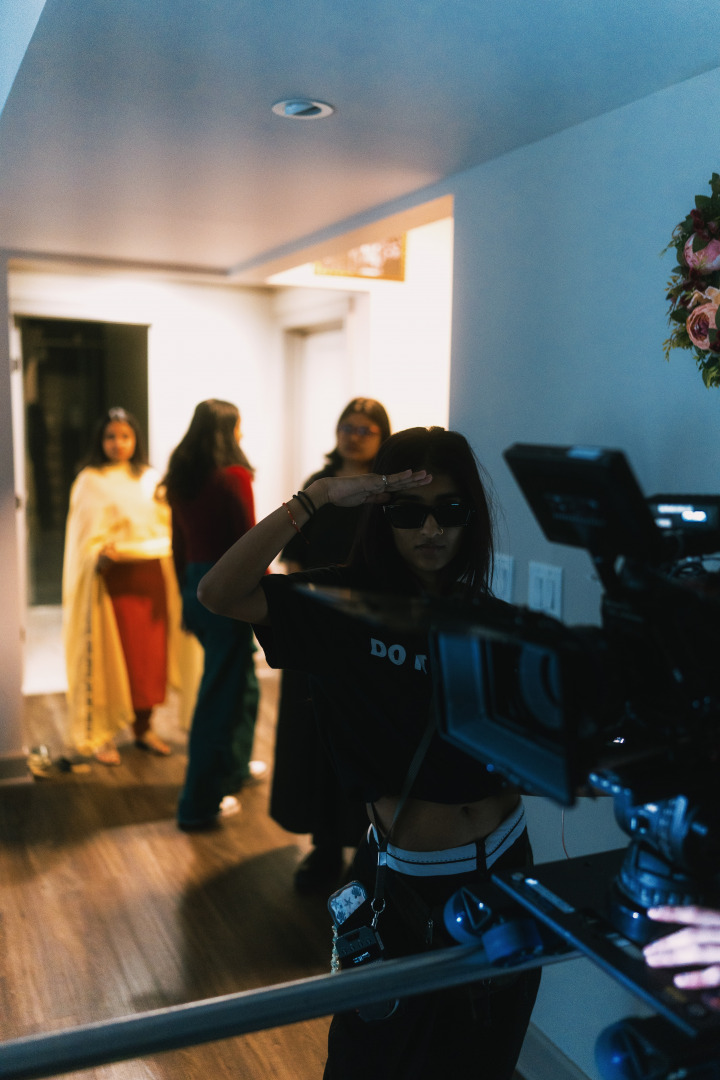
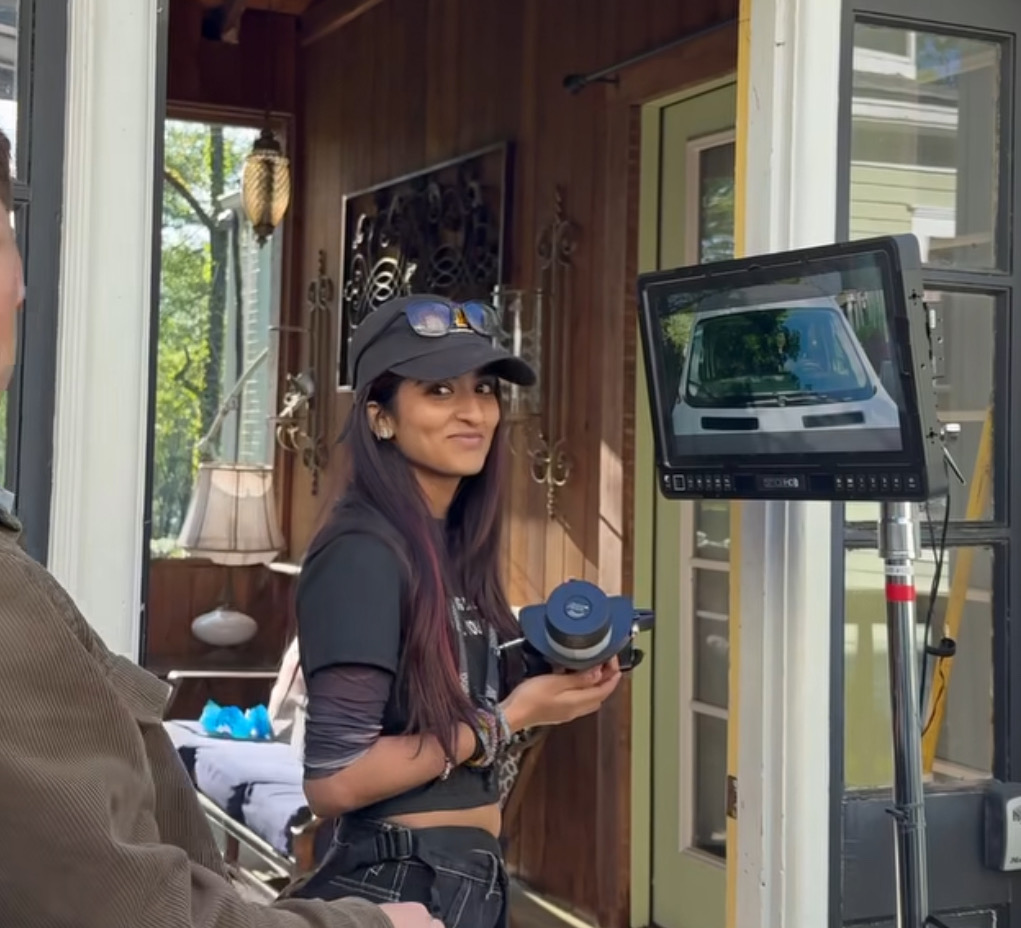
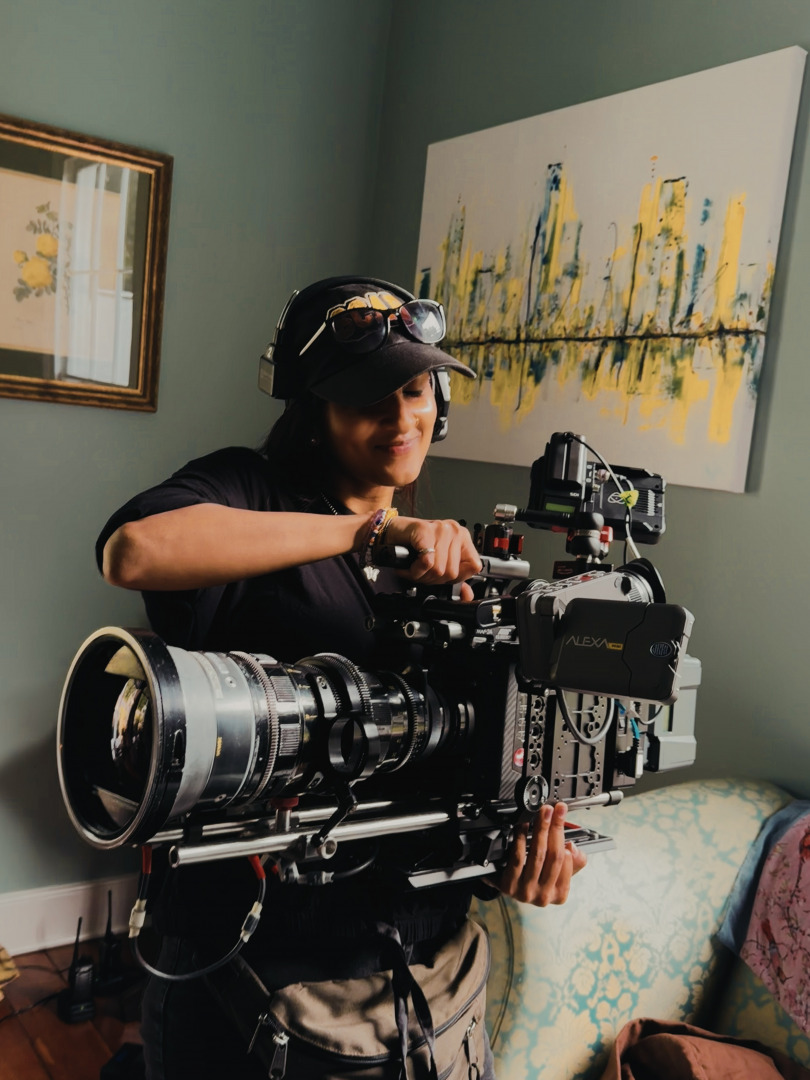
I think my art comes from living in the in-between — between cultures, continents, generations, and expectations. I’m a South Asian filmmaker, live production artist and 1st AC on film sets (a strange mix right?), born in Kerala, India, grew up across continents due to my dad’s job and never really settled in one place. That’s probably why my work often explores identity and all the things we never say out loud. My style blends emotional realism with satire.
What sets me apart is that I’ve learned to balance heartfelt storytelling with quiet satire. I love stories that look soft and pastel but carry sharp emotional weight underneath — and I’m not afraid of silence or discomfort. My thesis film, What Girls Want, reflects that voice: it’s a brown-girl dramedy about grief, guilt, generational tension, and cake as symbolism. I’m proud that it feels both very personal and strangely relatable to anyone who’s ever sat through a family gathering tied with secrets and drama.
Another turning point in my creative journey was discovering live production through my job at SCADshow. Growing up as a performer, I’ve always loved the adrenaline of being on stage — but working behind the scenes in live theatre gave me a new kind of thrill. There’s something about cueing lights, watching transitions hit, and witnessing an entire show unfold in real time that feels like conducting an emotional orchestra. It’s organized chaos, and I love it.
Was it easy getting here? Definitely not. I lost my dad when I was younger, and that absence has shaped not just who I am, but the stories I choose to tell. I’ve navigated grief, guilt, and a lot of second-guessing — especially as a brown girl trying to pursue an artistic career that wasn’t always seen as “secure.” But every story I tell feels like reclaiming space — for myself, for women like my mom, for people like me who are still figuring it out.
If there’s one thing I’d want people to take away from my work, it’s this: being emotional is not embarrassing. It’s cinematic. And whether I’m directing a film or calling cues backstage, I want to keep creating work that makes people feel seen — even if it’s through a pastel-tinted lens of intergenerational chaos. I’m here to keep telling stories that feel real, specific, and just unhinged enough to make you laugh and cry in the same scene.
Because in my world, emotional damage is just good storytelling with better lighting.
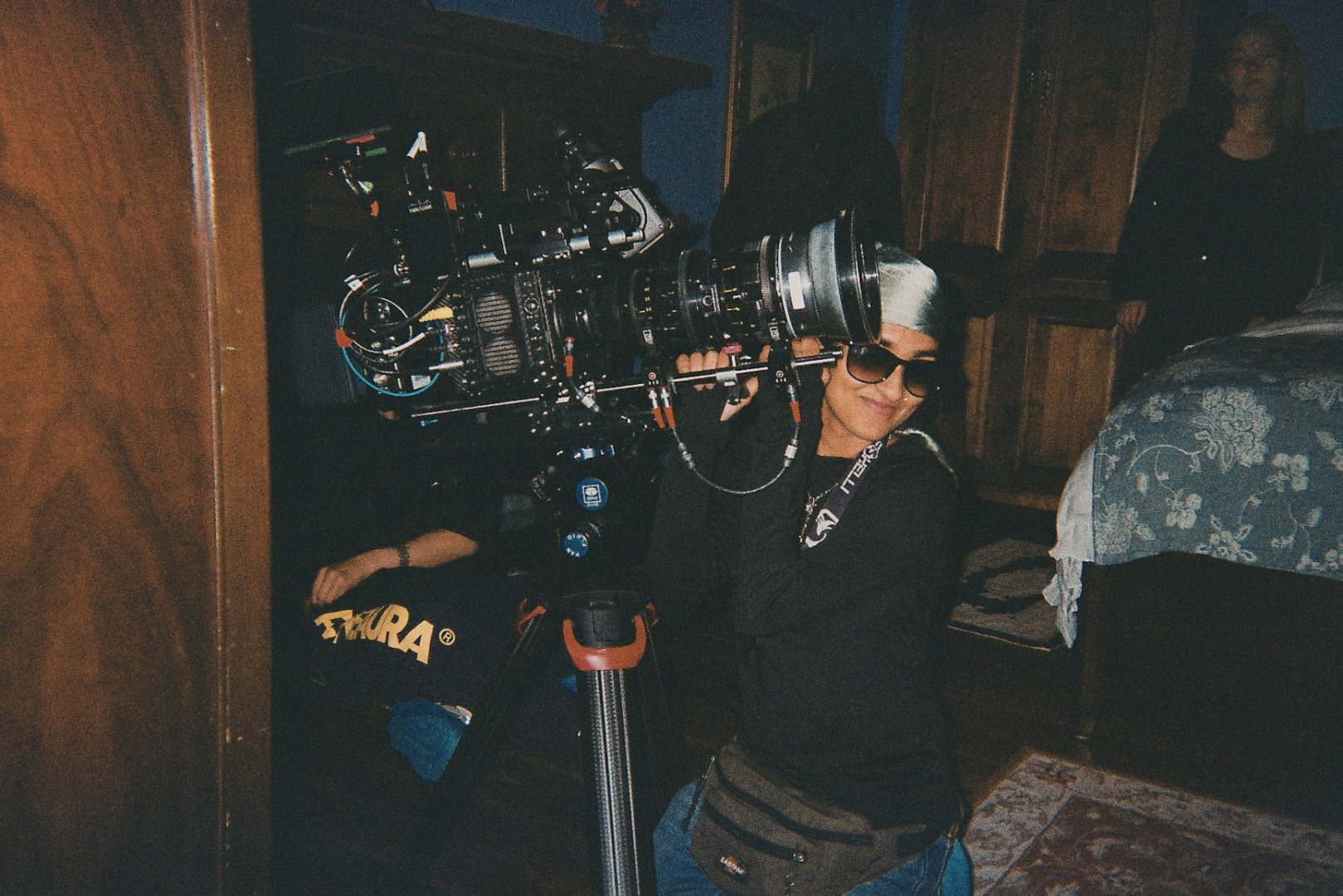
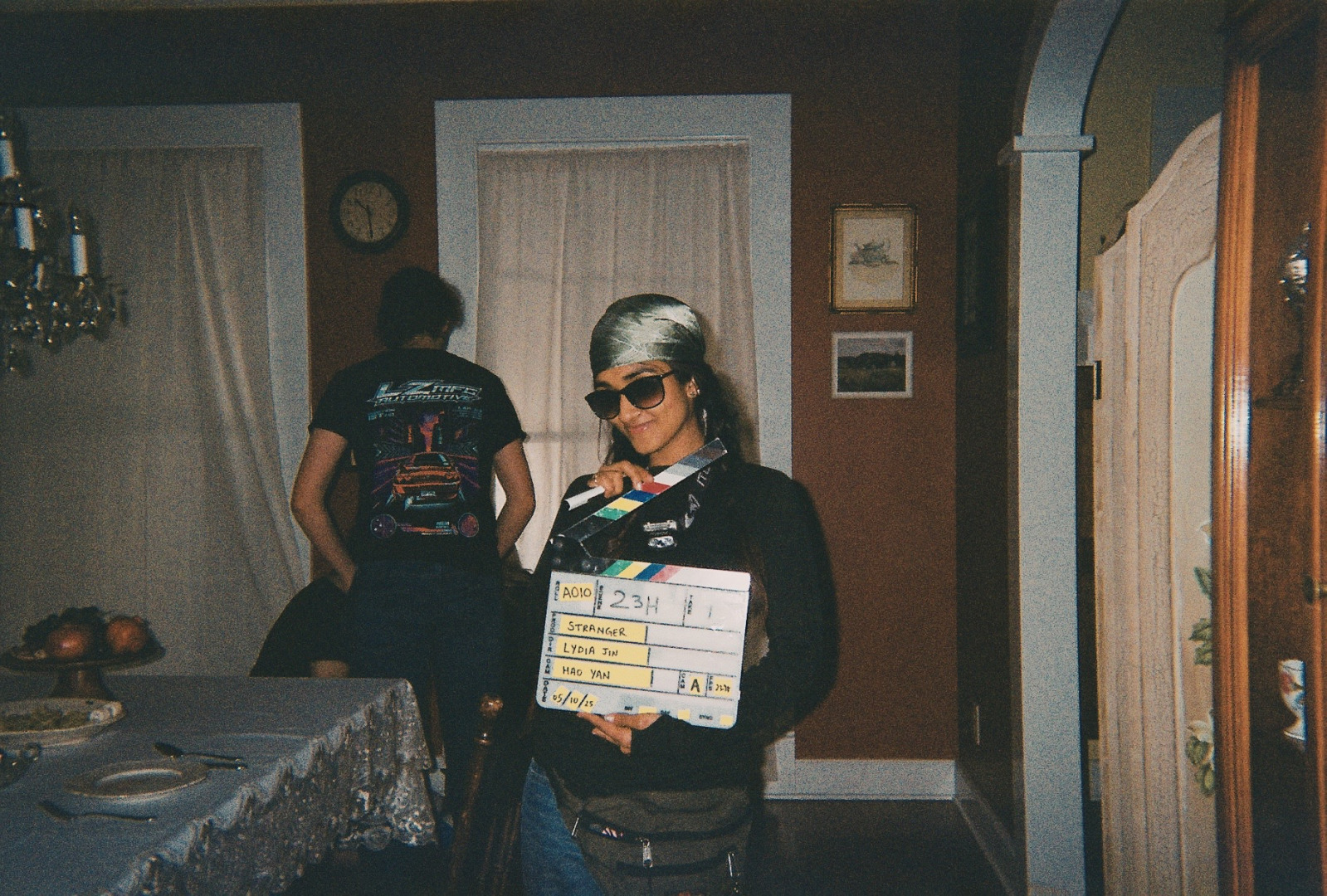
If you had a friend visiting you, what are some of the local spots you’d want to take them around to?
If my best friend was visiting Atlanta for a week, I’d skip the typical tourist stops and just show them what real city life feels like. We’ll be living off Momonoki Café and its reliably excellent matcha every morning—trust me, you don’t need to swap it out. After that we’d stroll the BeltLine, checking out street art, watching dogs with better outfits than us, and occasionally plopping down for a mid-walk snack.
By afternoon we’d gravitate toward Piedmont Park, especially during one of the live‑music or community events—because nothing beats laying in the grass and doing absolutely nothing while tunes drift over you. And one evening? We’d treat them to an artsy night at the Alliance Theatre or Woodruff Arts Center or visit the High Museum of Art.
And nightlife: the EDM scene in Atlanta is solid. We’d scroll through that one Atlanta EDM Instagram page (you know the one), pick a random warehouse-y party or late-night event, and just go. No big plans, just loud music, flashing lights, and that very specific kind of joy that comes from dancing for hours next to strangers you’ll never see again. It’s not a perfect itinerary, but it’s the kind of week that feels like a blur in the best way.
Who else deserves some credit and recognition?
I’d like to dedicate this shoutout to my mom — for trusting my wildly unpredictable creative choices, even when they made absolutely no sense on paper — and for being unknowingly iconic enough to inspire an entire film (my thesis project that I am directing called ‘What Girls Want’, heading into production in winter 2026).
Also, a huge thank you to my mentors and bosses at SCADshow, who introduced me to the world of live production and gave me the guidance, patience, and backstage adrenaline that awakened a whole new part of my creative identity. I truly wouldn’t be doing any of this without their support (and their lighting cues).
Instagram: https://www.instagram.com/ninjjuu._?igsh=eW5hZWlqbXd5a2p3&utm_source=qr
Linkedin: https://www.linkedin.com/in/niranjana-k-arunkumar-446113227