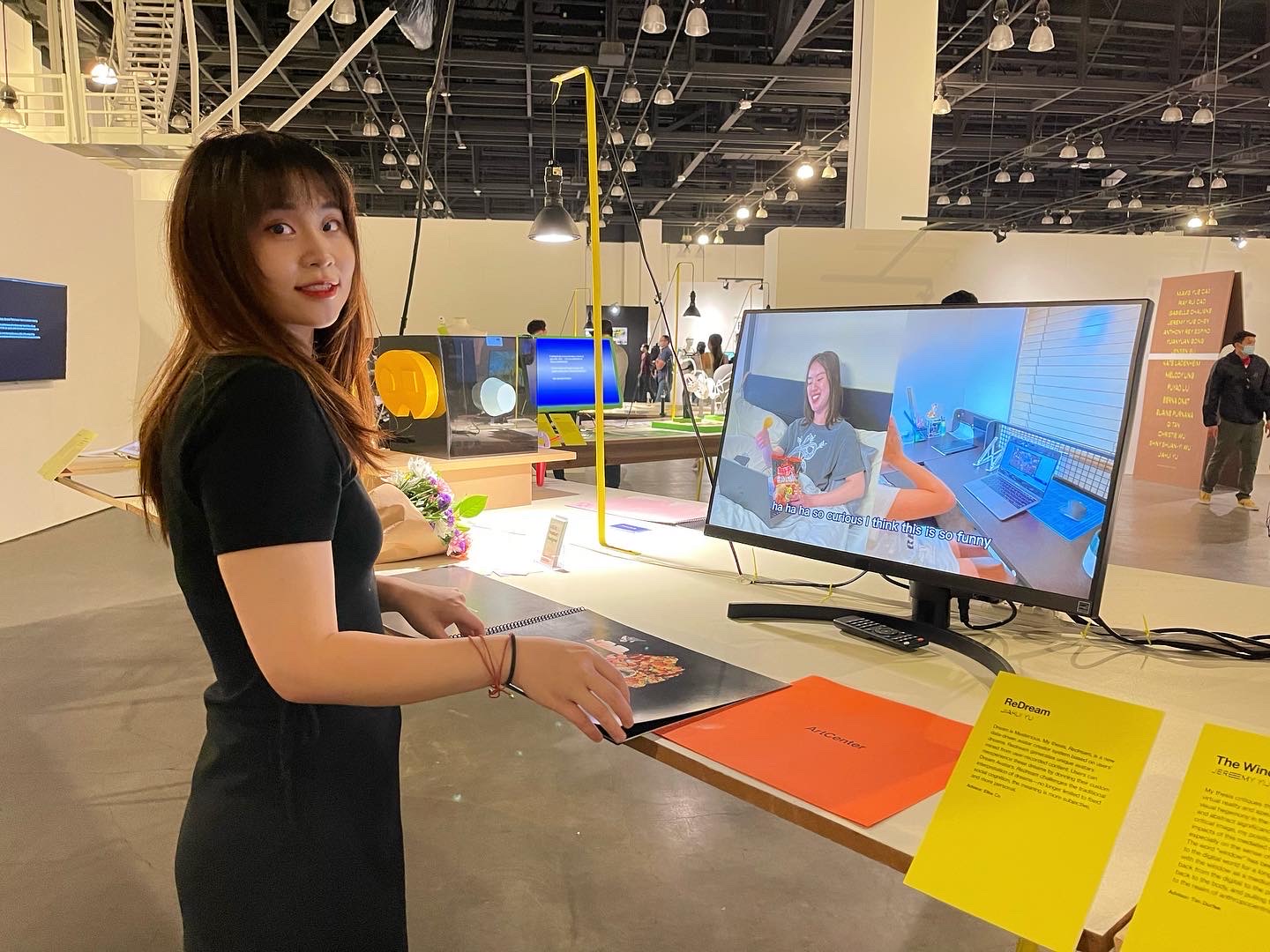
Meet Jiahui Yu | UX Designer & Product Designer



We had the good fortune of connecting with Jiahui Yu and we’ve shared our conversation below.
Hi Jiahui, what led you to pursuing a creative path professionally?
I have always been fascinated by observing the world, analyzing the logic behind things, and expressing ideas through creation. For me, design is more than just a profession—it’s a way to connect people with the world. I believe that great design enhances experiences, making complex things intuitive and seamless while subtly guiding user behavior.
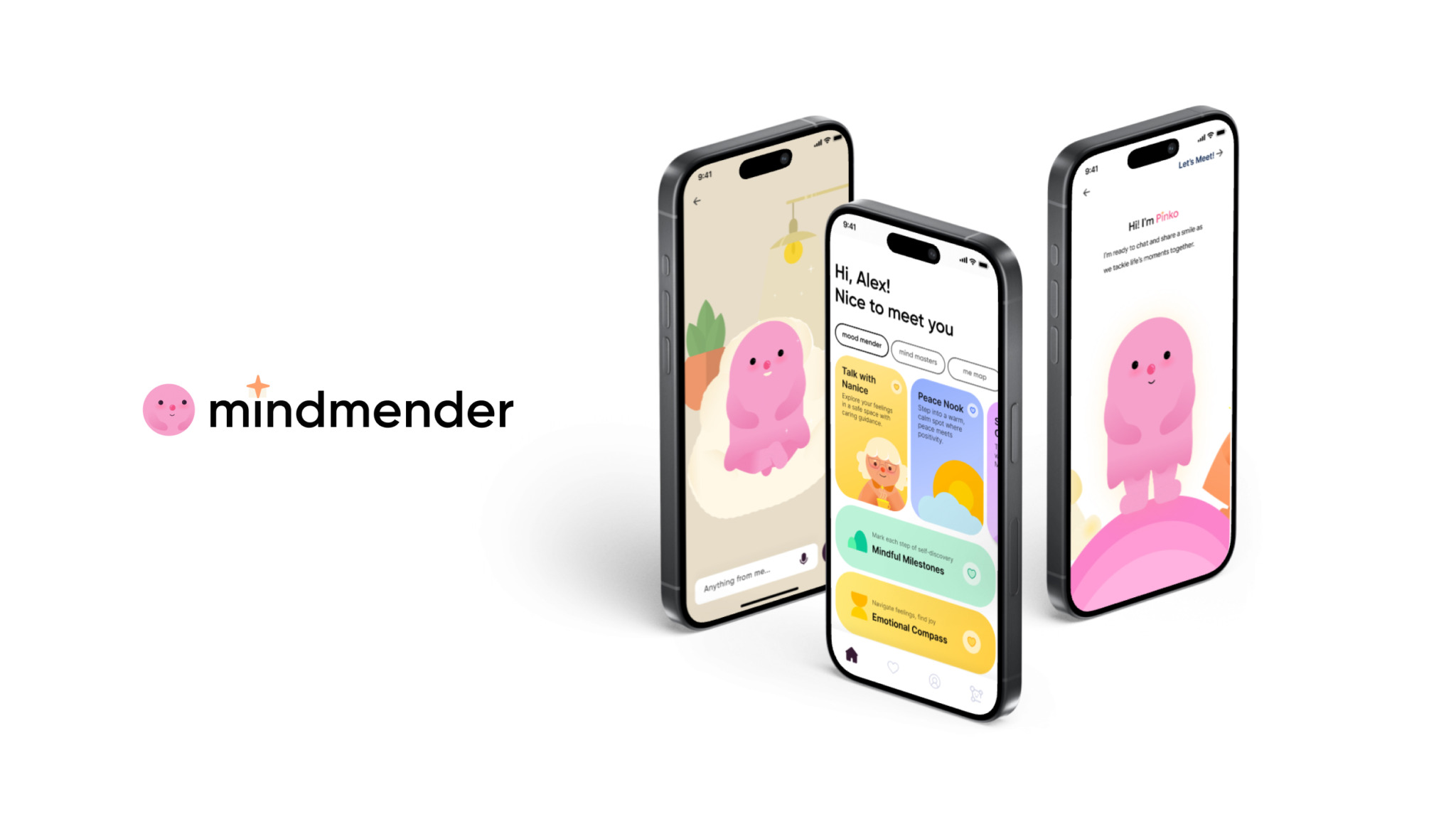
Throughout my career, I have worked across various industries, from healthcare and education to e-commerce and mental health. Each field has unique user needs and challenges, which is what excites me most about design—it requires continuous exploration, understanding, and problem-solving to create meaningful solutions. I am particularly passionate about interaction design because it allows users to experience the value of design firsthand, ensuring that products are not only visually appealing but also highly functional and efficient.
At the same time, I aspire to use design as a tool to address real-world challenges. In today’s fast-paced society, many people experience stress and pressure, and design has the potential to offer solutions that go beyond usability—creating more thoughtful, human-centered interactions. My goal is to craft experiences that not only improve efficiency but also provide emotional value, making users feel supported and understood.
Ultimately, what draws me to the creative field is not just its freedom of expression but its impact. I want my work to help people navigate products more effectively, enhance their daily lives, and, in some cases, contribute to positive social change.
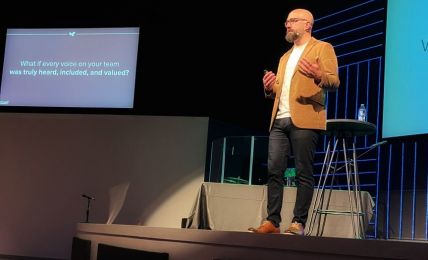
Alright, so let’s move onto what keeps you busy professionally?
For me, design has always been about solving real problems rather than just making things look good. What excites me most about my work is the ability to create intuitive and meaningful interactions that improve people’s lives. Whether it’s simplifying a complex workflow or making a product more accessible, I see design as a way to bridge gaps and create better connections between people and technology.
My journey into this field was shaped by curiosity and a desire to understand how people think and interact with digital products. It hasn’t always been easy—balancing creativity with business constraints, proving the value of design in a results-driven environment, and continuously adapting to new trends all require persistence and adaptability. Over time, I’ve learned to embrace challenges as opportunities, using design not just as a tool for aesthetics, but as a means to drive impact.
What sets my approach apart is the emphasis on human-centered design. I believe that great experiences come from understanding users on a deeper level—not just what they do, but why they do it. This perspective has shaped the way I tackle projects, ensuring that every design decision is grounded in purpose and meaning.
If there’s one thing I want people to know about my work, it’s that design is not just about visuals—it’s about shaping experiences that are seamless, thoughtful, and impactful. My goal is to continue pushing boundaries, questioning assumptions, and creating solutions that not only look good but truly make a difference.
Let’s say your best friend was visiting the area and you wanted to show them the best time ever. Where would you take them? Give us a little itinerary – say it was a week long trip, where would you eat, drink, visit, hang out, etc.
If my best friend were visiting Los Angeles, I would take them on an art-focused journey to explore some of the city’s most inspiring exhibitions.
We’d start at The Broad, where contemporary works like Yayoi Kusama’s Infinity Mirror Rooms create an immersive experience that challenges perception and space. Then, we’d visit MOCA to explore thought-provoking modern art and conceptual installations.
Another must-visit is The Getty Center, where the architecture itself is as stunning as the artworks inside. The interplay of light and space in Richard Meier’s design often sparks ideas about structure and form. For a more intimate experience, we’d explore Hauser & Wirth in the Arts District, where rotating exhibitions often push the boundaries of artistic expression.
Art is more than just visual appreciation—it’s about perspective. Observing different mediums, from abstract compositions to immersive installations, helps me rethink interaction design, spatial awareness, and user experience. In every brushstroke, sculpture, or digital piece, there’s a story being told, and that storytelling aspect constantly inspires my approach to design.
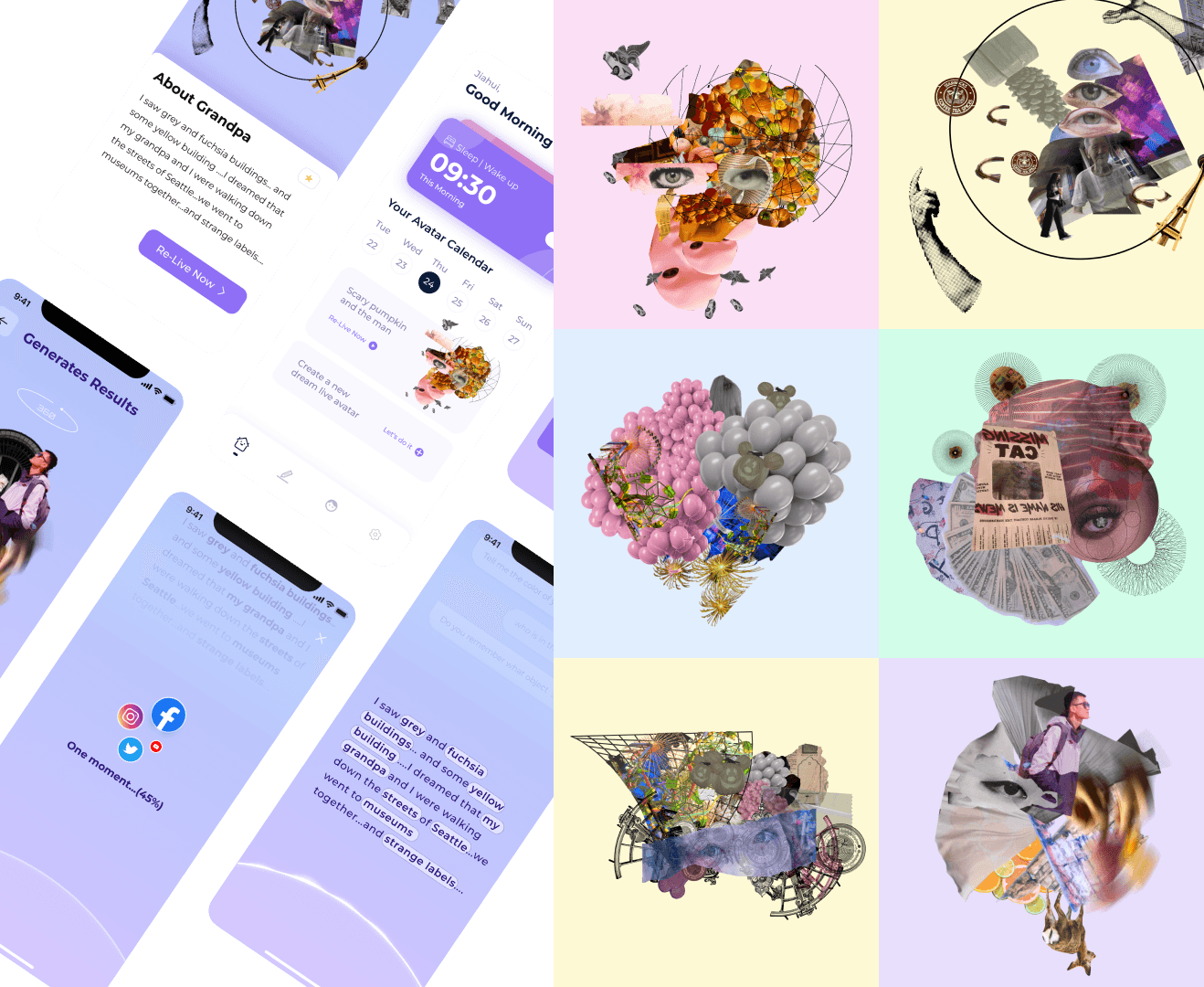
The Shoutout series is all about recognizing that our success and where we are in life is at least somewhat thanks to the efforts, support, mentorship, love and encouragement of others. So is there someone that you want to dedicate your shoutout to?
I want to express my gratitude to the mentors and colleagues who have supported and guided me throughout my journey. Their insights, patience, and encouragement have played a huge role in shaping my approach to design and leadership.
A special shoutout to my team—working alongside such talented individuals has not only been inspiring but has also reinforced the value of collaboration and shared growth. Their dedication and creativity push me to constantly evolve and refine my craft.
Lastly, I appreciate the thinkers and artists whose work has influenced my perspective. Their ability to challenge norms and express ideas in new ways reminds me that design is not just about function but also about storytelling, connection, and impact.
Linkedin: https://www.linkedin.com/in/jiahui-yu-a00061182/