Meet Derrick Tuff | Nonprofit Founder & CEO, Public Speaker, and Disability Advocate
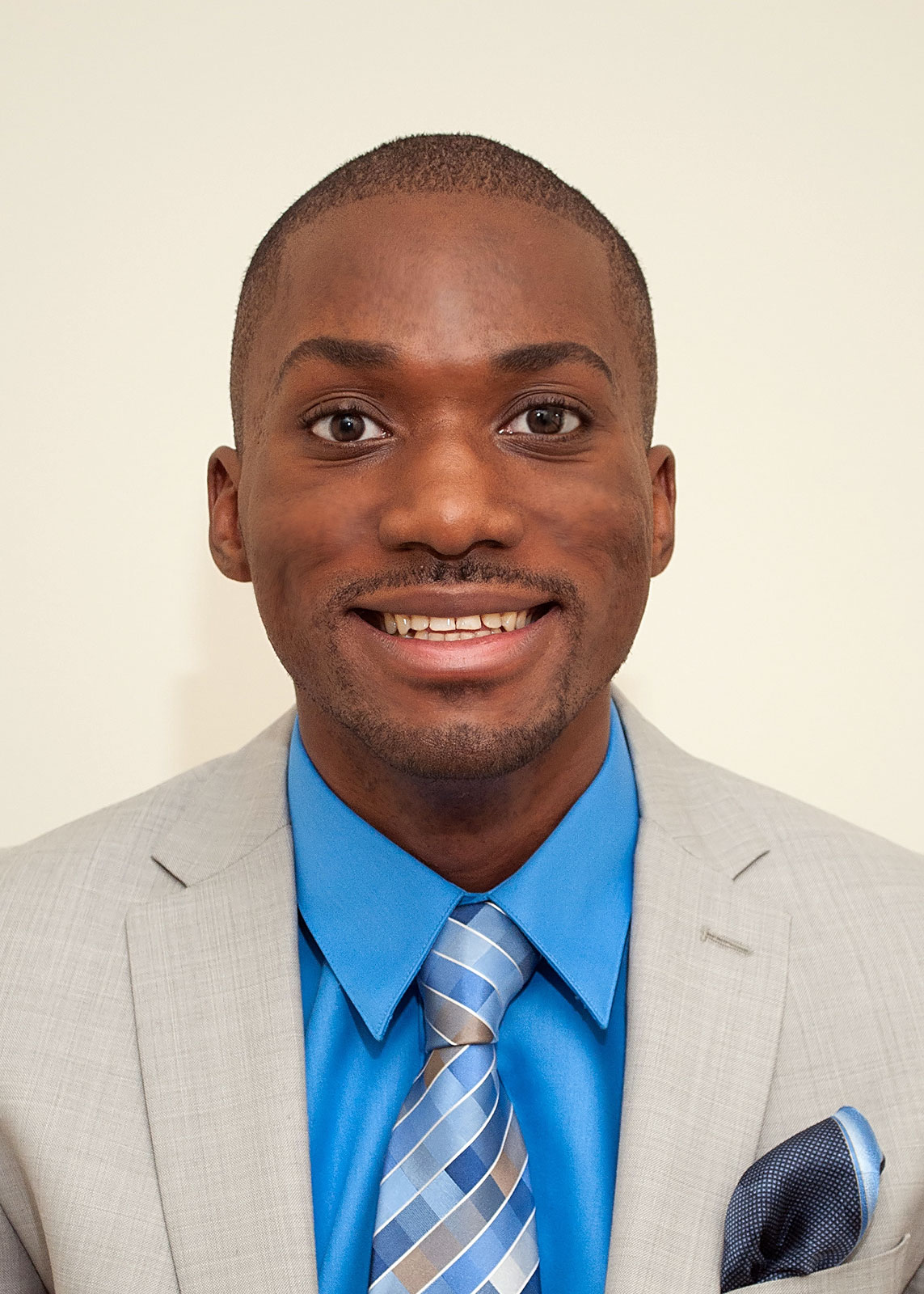


We had the good fortune of connecting with Derrick Tuff and we’ve shared our conversation below.
Hi Derrick, what role has risk played in your life or career?
We hear a lot about taking risks as entrepreneurs, but most of that conversation is about taking risks to pursue business opportunities. I don’t think we talk enough about what it means to take a risk on ourselves.
A lot of times, before we move forward with an idea, we share it with family, friends, or colleagues. We want to know if they like the product, the service, or the business model. And sometimes, if we don’t get enough thumbs up, we start second-guessing ourselves. We may also hesitate because someone else thinks we’re not qualified, or because deep down, we’re wondering the same thing.
That doesn’t mean we shouldn’t seek feedback. Other people’s perspectives can be really valuable, especially in the planning process. But entrepreneurship isn’t ultimately about how your immediate circle views your vision or how qualified they think you are. It’s about taking a risk on yourself. It’s about believing you can build something meaningful, offer a product or service that helps people, and create impact if you’re willing to step forward.
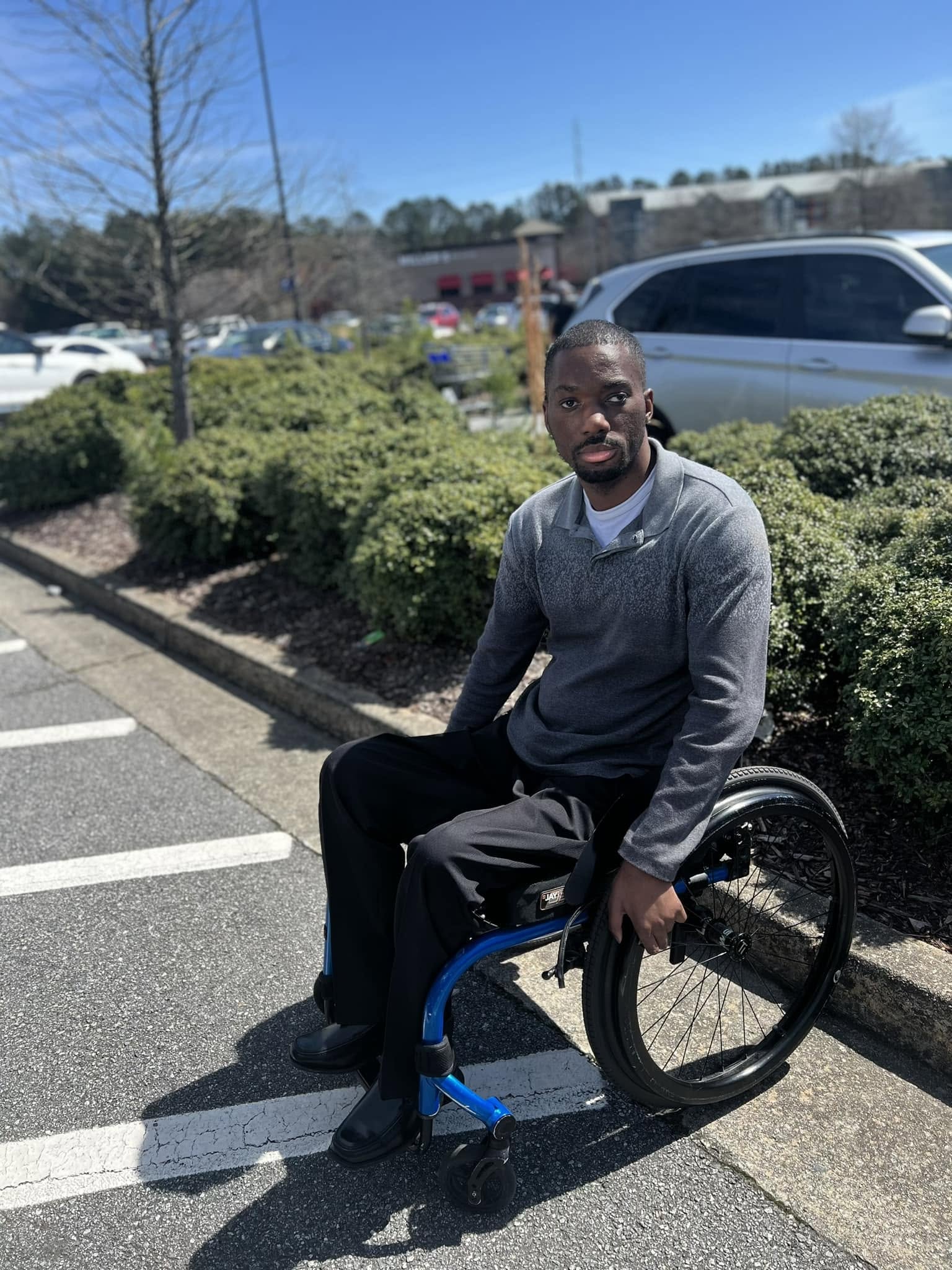
I’m DeafBlind and use a wheelchair. In a lot of ways, it would be easy for people to look at me and assume I’m not qualified to run a business because I have major communication and access barriers. But I believe in myself. I believe in my ability to lead a successful business. And I understand that my disability doesn’t define my contribution.
If I’m willing to take a risk on myself and show my community what I can do, then my community can take a risk on me too. They can invest in my vision, support the work, and help me create a legacy that some people may have once thought was impossible.
Can you give our readers an introduction to your business? Maybe you can share a bit about what you do and what sets you apart from others?
I chose social entrepreneurship because when you see a need in your community, you don’t stand by and hope someone else addresses it. If you have the capacity to be part of the solution, I believe you have a responsibility to step forward.
Disability Resource Advisors was created to help people with disabilities move beyond basic independence and into leadership, opportunity, and long-term success. Our work focuses on education, leadership development, and advocacy through three programs: AccessED, InPower, and InAction. AccessED supports students with disabilities as they pursue higher education and career training. InPower helps people with disabilities build leadership, career, and financial capability skills. InAction focuses on advocacy, public education, and making sure the voices of people with disabilities are heard in the community.
What sets us apart is that this work is personal. Our team and board understand many of the barriers our participants face because we have lived some of those experiences ourselves. We are not just building programs from the outside looking in. We are walking alongside people with disabilities and helping create the kind of support, access, and opportunity that can change the direction of someone’s life.
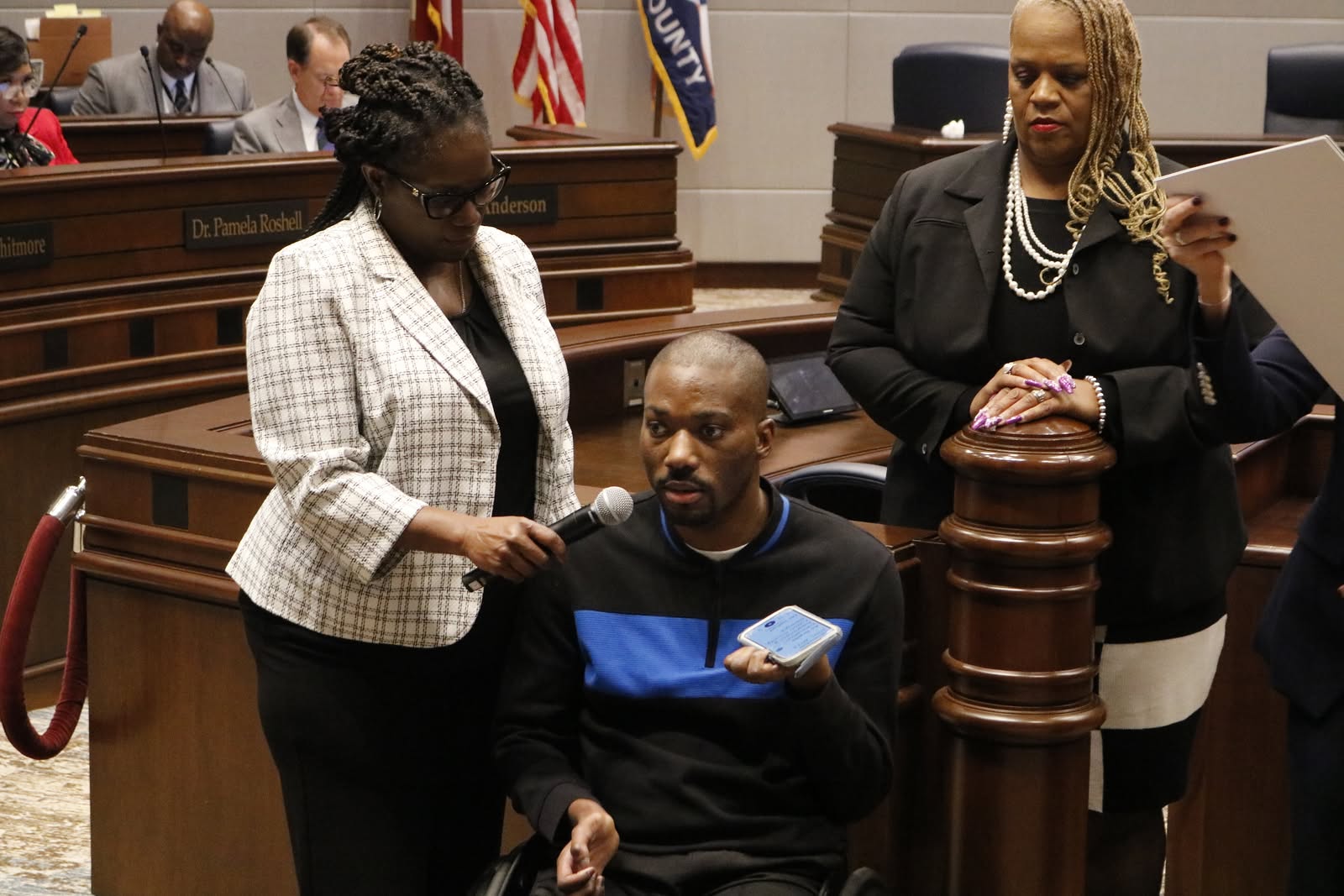
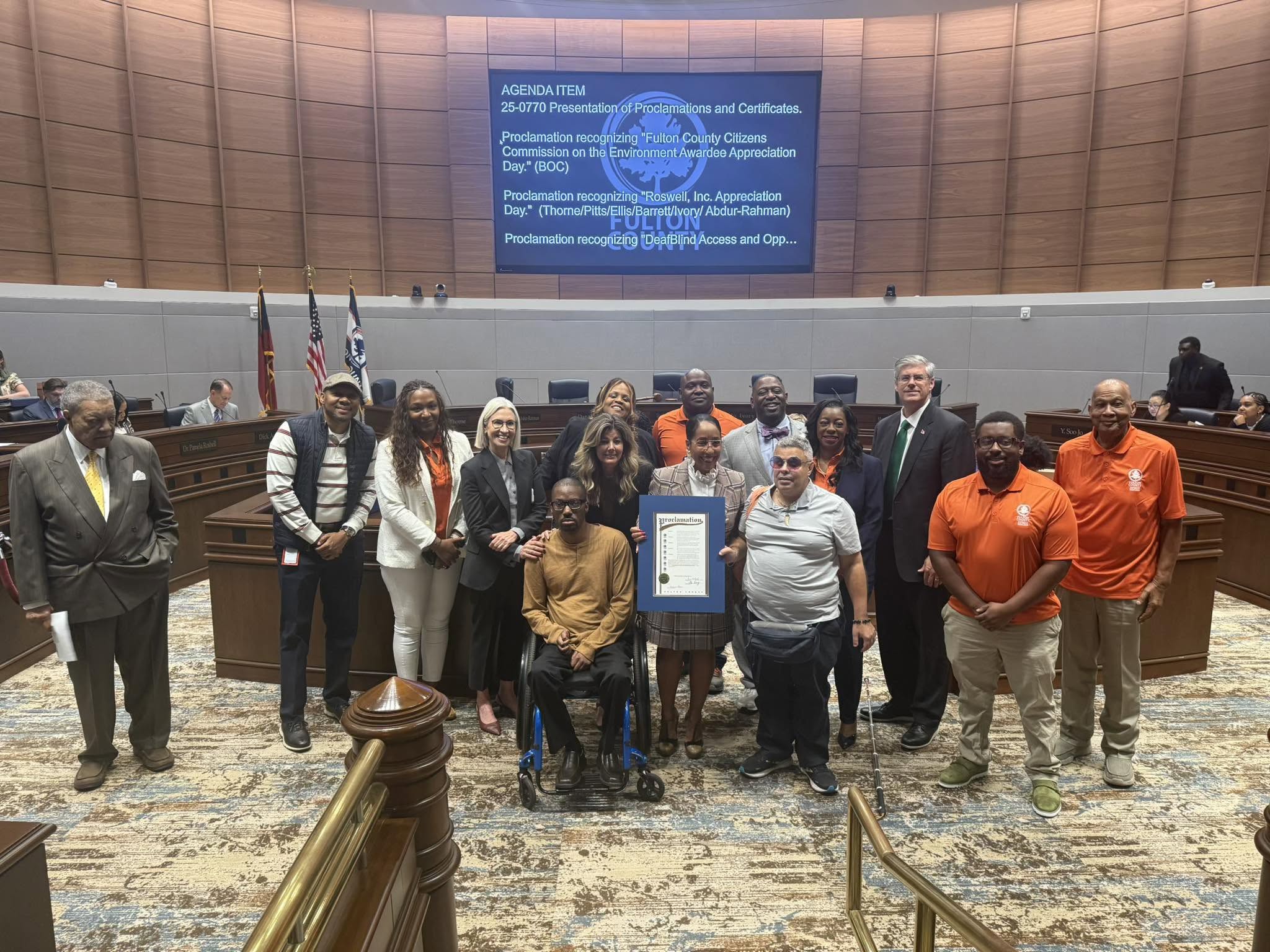
I am most proud that we have already started making an impact. We awarded our first AccessED book scholarship, reached more than 60 people through InPower sessions, and received official recognition from the Fulton County Board of Commissioners for our advocacy work. Those moments remind me that even small steps can create meaningful progress when the mission is clear.
Getting here has not been easy. One of the biggest challenges has been fundraising to expand the programs. People give to nonprofit organizations all the time, but the nonprofit landscape is very competitive. It can be difficult to convince people why they should support your cause in addition to the causes they already care about. But when you believe in your mission, and you know the work changes lives, you have to keep showing up. You have to keep telling the story, building trust, and asking for the resources needed to empower the people you serve.
One lesson I have learned is that passion is important, but structure matters too. A strong mission needs strong systems behind it. You need clear programs, measurable goals, good partnerships, and the discipline to keep building even when the process is slow. I have also learned that people may not always understand the vision at first, but consistency helps them see it over time.
What I want the world to know about Disability Resource Advisors is that people with disabilities are talented, capable, and ready to lead. The issue is not a lack of potential. The issue is often a lack of access, opportunity, and support. DRA exists to help close that gap. We are building a future where people with disabilities are empowered to live lives shaped by purpose, leadership, and contribution.
If you had a friend visiting you, what are some of the local spots you’d want to take them around to?
If my best friend was visiting Atlanta for a week, I’d definitely start with the Georgia Aquarium because it’s one of the most beautiful places in the city, and it gives you that big Atlanta experience right away. We’d also have to go to Mary Mac’s Tea Room, because the cinnamon rolls alone might change your life. At some point, we’d spend time on the Atlanta BeltLine because the scenery, restaurants, and people-watching make it one of the best places to just enjoy the city.
After that, I’m going to be honest: she would have to get on Discover Atlanta and help plan the rest of the itinerary because itinerary planning is not my gift. But those three places would definitely be on the list because they show different sides of Atlanta: beauty, food, culture, and community.
The Shoutout series is all about recognizing that our success and where we are in life is at least somewhat thanks to the efforts, support, mentorship, love and encouragement of others. So is there someone that you want to dedicate your shoutout to?
I want to shout out Antoinette Tuff, my mom, because her example of faith and compassion inspires me to push past adversity and serve my community.
I want to shout out Forrest Tuff, my cousin, because watching him build a successful brand showed me that showing up consistently is just as important as perfecting your talent.
I want to shout out the National Federation of the Blind because being connected to that community helped me believe that my disability doesn’t hold me back from living the life I want.
Website: https://askdra.org/
Instagram: https://www.instagram.com/derricktuff/
Linkedin: https://www.linkedin.com/in/derricktuff/
Other: dtuff@askdra.org
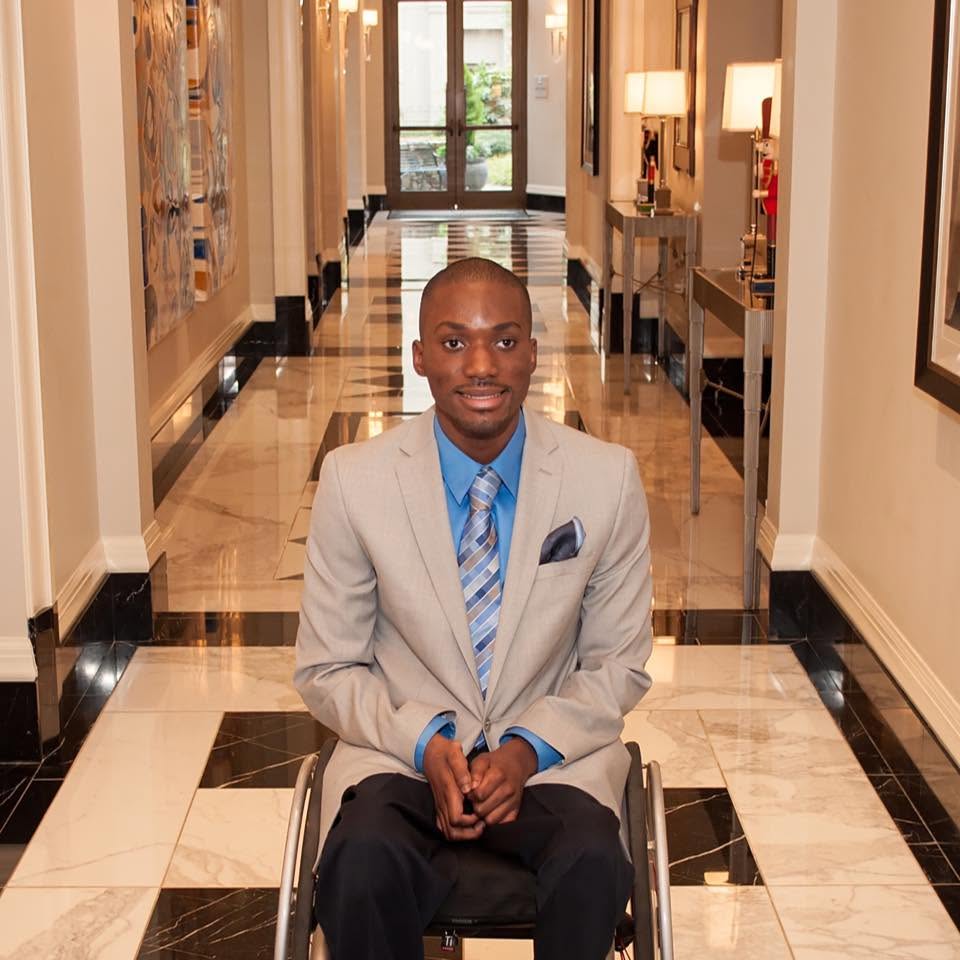
Image Credits
The second and third photo under additional photos should be credited to Fulton County Government.