Meet Boning Yu



We had the good fortune of connecting with Boning Yu and we’ve shared our conversation below.
Hi boning, what role has risk played in your life or career?
Risk has been less of a personality trait for me and more of a necessity—and I’ve learned to treat it like a design problem: define what’s at stake, reduce the unknowns, then commit.
A lot of my career has been a series of “non-linear” moves. I switched fields, rebuilt my portfolio more than once, and moved across countries to pursue a stronger creative and academic environment. None of those choices felt safe in the moment. But staying in a path that was clearly limiting my growth felt like a bigger risk—because it would quietly cap what I could become.
In practice, I take “smart risks.” I’m willing to bet on an idea or direction, but I structure the bet: I prototype fast, test in public (critiques, small releases, competitions), and iterate based on feedback. That’s how I’ve been able to work across motion design, brand systems, and interactive/creative tech without waiting for perfect certainty. I don’t need to know the whole staircase—I need enough information to take the next step and a plan to recover if it doesn’t work.
The biggest payoff of taking risks has been discovering that reinvention is a skill. Every time I’ve made a jump—new tools, new context, new expectations—I’ve built confidence that I can learn my way into complexity. That mindset has shaped the way I design: I’m not chasing novelty for its own sake; I’m using risk as a lever to access new capabilities, new collaborations, and new ways to tell stories.

Alright, so let’s move onto what keeps you busy professionally?
I’m a multidisciplinary designer currently based in Atlanta, working across motion design, branding, and interactive media. What I love most is building “worlds” — visual systems that feel cinematic and emotionally precise, but are also engineered like products: they have rules, behaviors, and a clear logic behind the aesthetics. My work often sits at the intersection of storytelling and systems thinking, where a brand identity can behave like a living interface and a motion piece can function like an experience, not just a video.
Professionally, my path hasn’t been linear. I didn’t start with perfect resources or a straight-line roadmap, so I’ve had to build my practice through iteration — teaching myself new tools, rebuilding my portfolio multiple times, and constantly testing ideas through projects. Moving across environments and disciplines pushed me to become adaptable. Instead of treating constraints as limitations, I started treating them as prompts: what can I make with what I have, and how can I make it feel intentional, high-quality, and meaningful?
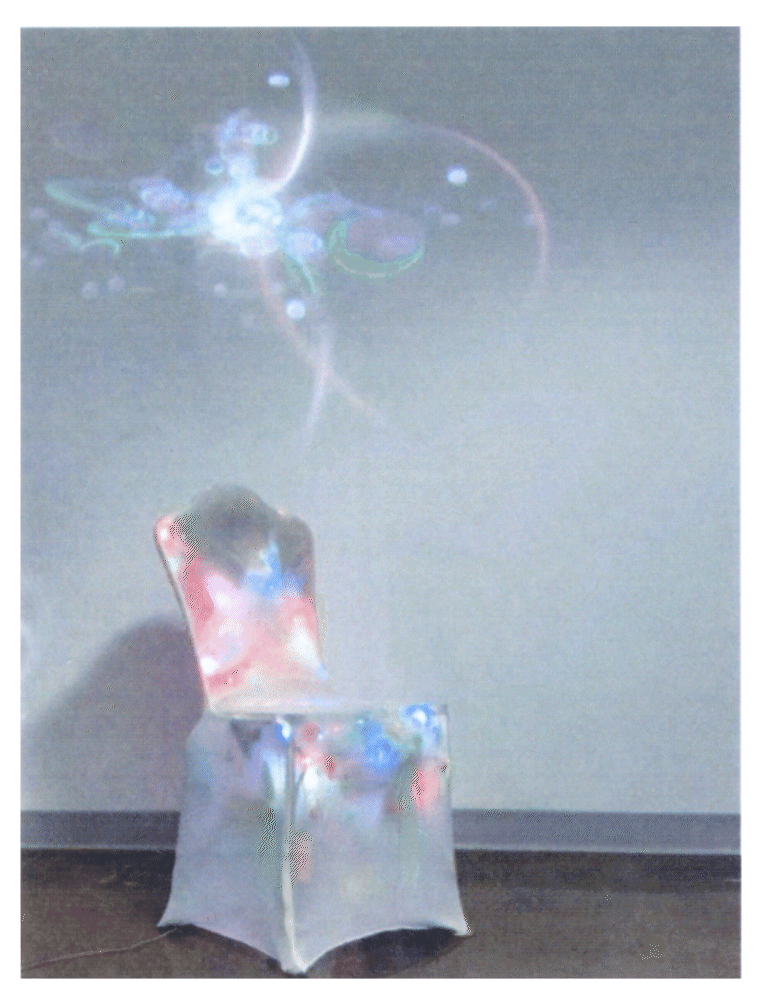
Some of the work I’m most proud of explores how technology can amplify human perception rather than replace it — from interactive installations that respond to presence and attention, to motion pieces that translate complex cultural ideas into clear, engaging visuals. Along the way, I’ve learned that taking risks isn’t a detour from growth — it is the path. I’ve had to reinvent myself more than once: switching directions, rebuilding my portfolio, and stepping into new tools and environments before I felt “ready.” Each time, I came out with more than a new project — I came out with a stronger ability to adapt. That’s the part I’m proud of: not just making work, but building the capacity to rebuild. I don’t chase risk for its own sake, but I do believe in choosing it intentionally — then prototyping, learning fast, and letting the next version of myself take shape.
What I want the world to know about my story is that I’m not chasing novelty for its own sake. I’m interested in craft, clarity, and impact — using motion, design systems, and emerging tools to create experiences that feel both imaginative and grounded. Ultimately, I want to collaborate with teams and brands that value bold ideas, but also care deeply about execution, structure, and the audience on the other side.
Let’s say your best friend was visiting the area and you wanted to show them the best time ever. Where would you take them? Give us a little itinerary – say it was a week long trip, where would you eat, drink, visit, hang out, etc.
If a best friend visited Atlanta for a week, we’d start with a slow morning in Midtown: coffee at Dancing Goats, then spend a few hours at the High Museum of Art. After that, I’d take them through the BeltLine — it’s the easiest way to feel the city’s energy — and end the afternoon browsing Ponce City Market or catching sunset views on the rooftop. Dinner would be something iconic like Buford Highway for the real Atlanta food scene (Korean BBQ, Vietnamese, hot pot).
Midweek would be the “neighborhood day”: Little Five Points for thrift shops, record stores, and people-watching. For nature and a reset, I’d do Piedmont Park or Atlanta Botanical Garden, and if we wanted something more cinematic, we’d take a short drive to Sweetwater for a hike with a totally different atmosphere.
If the timing lines up, I’d take them to one of my friends’ outdoor raves. It’s one of those “only in Atlanta (and only if you know someone)” experiences that feels both underground and communal
By the end of the week, I’d want them to leave with the feeling that Atlanta isn’t just one “downtown” — it’s a collage of neighborhoods, cultures, and creative pockets. The best parts are the contrasts: polished museums and gritty thrift shops, quiet parks and loud food halls, international cuisine and Southern classics, all stitched together by the BeltLine.
Who else deserves some credit and recognition?
I’d like to dedicate my shoutout to the mentors, professors, and peers who have helped me build momentum—especially the SCAD community that’s consistently pushed my work forward through critique, collaboration, and encouragement.
I also want to give credit to the friends who showed up in practical ways during high-pressure moments—reviewing drafts, sharing resources, or simply reminding me that progress is still progress when you’re rebuilding from scratch.
And finally, a shoutout to the broader creative community—artists and designers who share their process openly online. Watching people break down their workflows, failures, and iterations has been a quiet but constant form of mentorship that’s helped me keep learning, experimenting, and taking the next step.
Website: https://boningyu.cargo.site/
Instagram: @ybn.yb.n
Linkedin: https://www.linkedin.com/in/boningyu
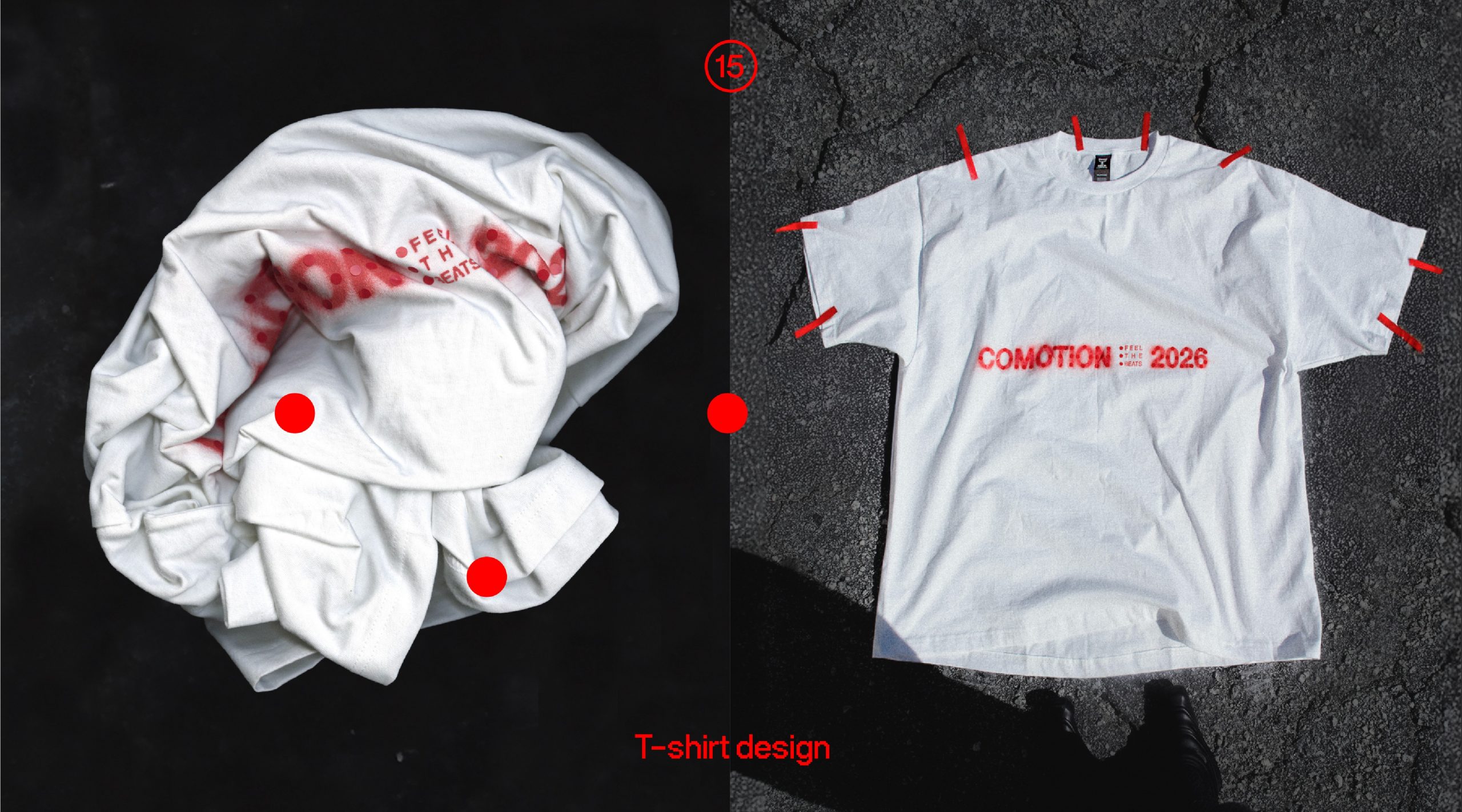

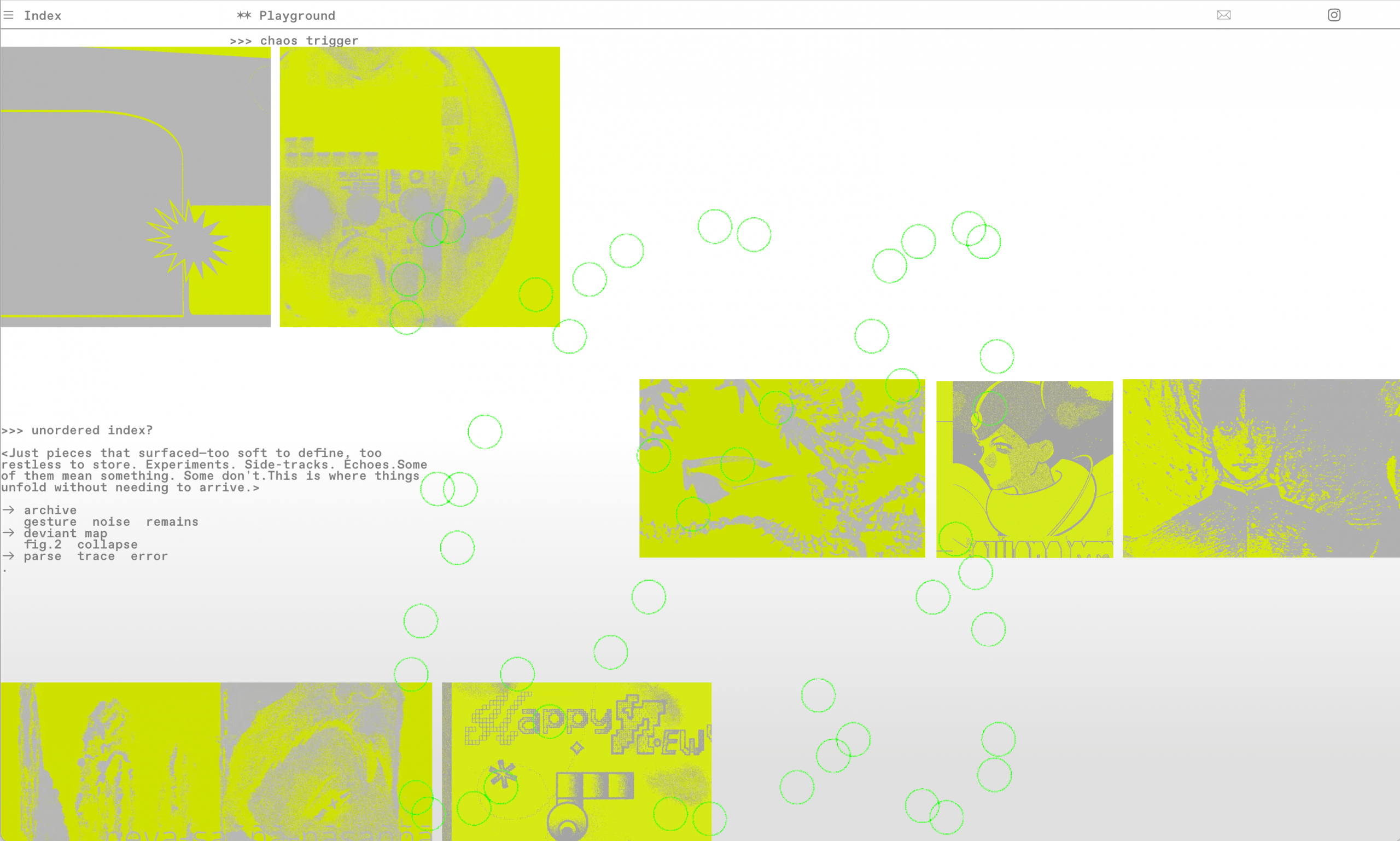
Image Credits
Boning Yu
Collaborator: Jess Chen (Motion designer); Sarah Zhao (Motion designer)