Meet Shawna @ Livin’in
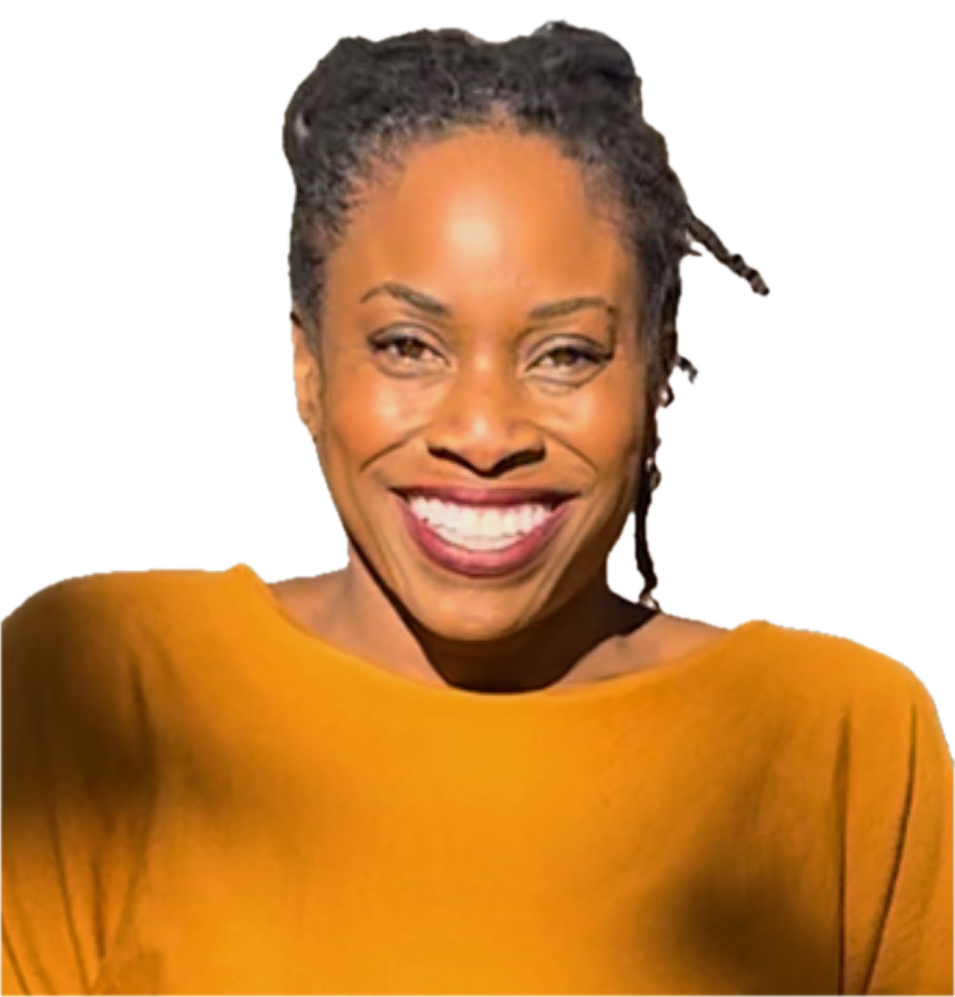


We had the good fortune of connecting with Shawna @ Livin’in and we’ve shared our conversation below.
Hi Shawna @ Livin’in, how does your business help the community?
Most social systems that connect people to food, housing, healthcare, and job training break in the same places. These are design failures, and they follow patterns. ImpactMS is a social impact design practice, I design how social systems see, move, and account for the people they serve. That means building pilots with community organizations, designing measurement infrastructure, and creating tools that make the gaps visible so they can be addressed structurally.
Livin’in is the civic infrastructure platform I’m building alongside that work. I also write a weekly publication exploring how arts, technology, and culture shape community access in Atlanta, and it’s growing into something bigger, to help communities see what’s available, what’s missing, and where the pathways between people and resources actually break down.
The systems we have weren’t designed for the people who need them most, I’m building the ones that are.
What should our readers know about your business?
I design the solutions, the intelligence, and the visibility to help social systems reach the people they are meant to serve. I have a CS and Math degree, a career in product and technology leadership, and a background in theatre, and music. These skills converge into one discipline, listening for structure, finding the pattern underneath the noise, and designing something that holds.
Getting here wasn’t a straight line, and I didn’t stumble into it. Every phase was deliberate research, I kept seeing the same thing, platforms built for scale that couldn’t account for the people at the edges. The ones who needed the system most were the ones the system couldn’t see.
At a certain point I stopped trying to fix that from inside someone else’s organization and started building the practice that could address it structurally.
I’m a solo founder building civic infrastructure in a market that rewards speed over depth and scale over care, which is never easy, but you learn the discipline to keep building while the resources catch up.
The hardest part is operating in an economy that doesn’t have a ready-made category for what I do. You can’t pitch “I design how systems see people” in a five-second elevator ride. So I’ve had to build the language alongside the practice.
The biggest lesson I learned is to trust your own pattern recognition. I spent years watching systems fail the same communities the same ways. The moment I stopped waiting and started designing was the moment everything started to make sense.
What I want people to know is that within Livin’in, I’m building the measurement, the visibility, and the design methodology that shows communities what they actually have, what’s missing, and how to close the gap and Atlanta is where it starts.
If you had a friend visiting you, what are some of the local spots you’d want to take them around to?
I’m not a nightlife person, so a week with me in Atlanta is going to be heavy on food, nature, conversation, and things that make you think.
First night, if we’re lucky, we’re going to The Moth’s monthly StorySLAM. Live, unscripted storytelling from regular people. No notes or props, just someone standing up and telling the truth about something that happened to them around a centralizing theme. It’s one of the best things happening in Atlanta and always a great crowd.
Next, we’re hitting Dad’s Garage for improv. The shows are sharp and weird in the best way, it’s the kind of theatre that reminds you how alive a room can get when no one knows what’s about to happen.
For daytime, the Atlanta History Center grounds and gardens offer peace and serenity . They are known for their museum, but they also have 33 acres of gardens, the Swan House, and the old-growth forest trails – for nature lovers.
I’d also take them to Cascade Springs Nature Preserve on the southwest side. Waterfall, wooded trails, and it’s one of those spots that feels like you left the city entirely. If the weather’s right, a long walk on the BeltLine Eastside Trail because it’s the best way to feel how Atlanta’s neighborhoods connect.
Between all of that, we’re cooking. A trip to the farmers market, something playing in the background, and the kind of conversation that only happens when someone’s standing in your kitchen. That’s a week with me.
Shoutout is all about shouting out others who you feel deserve additional recognition and exposure. Who would you like to shoutout?
Aside from close friends and family, I don’t really have a single mentor or organization to point to for this project, my path has been pretty self-directed. What I do have is a lineage of thinkers whose work gave me language for things I was already seeing, and the ability to launch what I’m working on today.
Elinor Ostrom showed me that communities can govern shared resources without top-down control, that cooperation isn’t naive, it’s designable.
Sasha Costanza-Chock’s Design Justice reframed how I think about who gets centered when we build systems, and who gets designed out.
adrienne maree brown taught me that the way we organize is the outcome, that the structure carries the values whether we intend it to or not.
Website: https://www.impactms.org
Instagram: livininapp
Linkedin: https://www.linkedin.com/in/shawnachase/
Other: https://livininapp.substack.com/